Get your lawn back on track with 50% OFF first application!* 50% OFF First Application!* Call Now

FIRE ANT CONTROL FOR DOVER SANDY SOIL AND FIELD EDGES

Professional Fire Ant Control Services in Dover, FL

Fire ants can become a problem fast in Dover yards, especially where sandy soil, open turf, field edges, irrigation lines, garden rows, and pet areas meet. Mounds may appear after rain, mowing, watering, or soil disturbance. Your Green Team provides fire ant control in Dover, FL for active mounds and yard areas where fire ants are making outdoor space harder to use.

Fire Ant Treatment for Dover Lawns, Gardens, and Work Areas

Targeted service for mounds near driveways, fields, pets, sheds, and irrigation edges

Fire ants can sting repeatedly when disturbed. On Dover properties, mounds may show up near long driveways, garden paths, shed doors, fence lines, pet spaces, or open lawn areas where people walk and work.

Your Green Team reviews mound locations, soil conditions, and the areas your household uses most. Service may focus on active colonies, nearby soil, and yard zones where fire ants may continue spreading.

Professional fire ant pest control helps address underground activity instead of only flattening the mound on top.

HOW FIRE ANTS DISRUPT DOVER YARDS

Why Fire Ant Control Matters

Fire ants can affect mowing, gardening, pet routines, outdoor chores, and walking across the property. Most colony activity is below the soil, so the visible mound may not show the full issue.

Dover yards may include sandy patches, irrigation overspray, open turf, garden rows, fence edges, and warm driveway borders where fire ants can become active. Rain and watering can make mounds easier to spot.

Professional fire ant control helps reduce activity where people and pets are most likely to encounter mounds.

MOUND CLUES NEAR IRRIGATION AND OPEN TURF

Signs of Fire Ant Activity

Fire ant activity often becomes clear after rain, watering, mowing, or soil disturbance.

If mounds are spread across the yard, a single spot treatment may not be enough.

Signs may include:

Loose sandy mounds near driveway edges

Raised soil around irrigation strips

Ants swarming when a mound is touched

Stings after mowing or trimming

Mounds near pet routes or kennel spaces

Activity around garden rows

Fresh soil after storms

Several mounds across open grass

Ant movement beside shed doors

Mounds returning after store-bought treatment

FIRE ANTS VS. OTHER YARD ANTS

How to Recognize Fire Ants

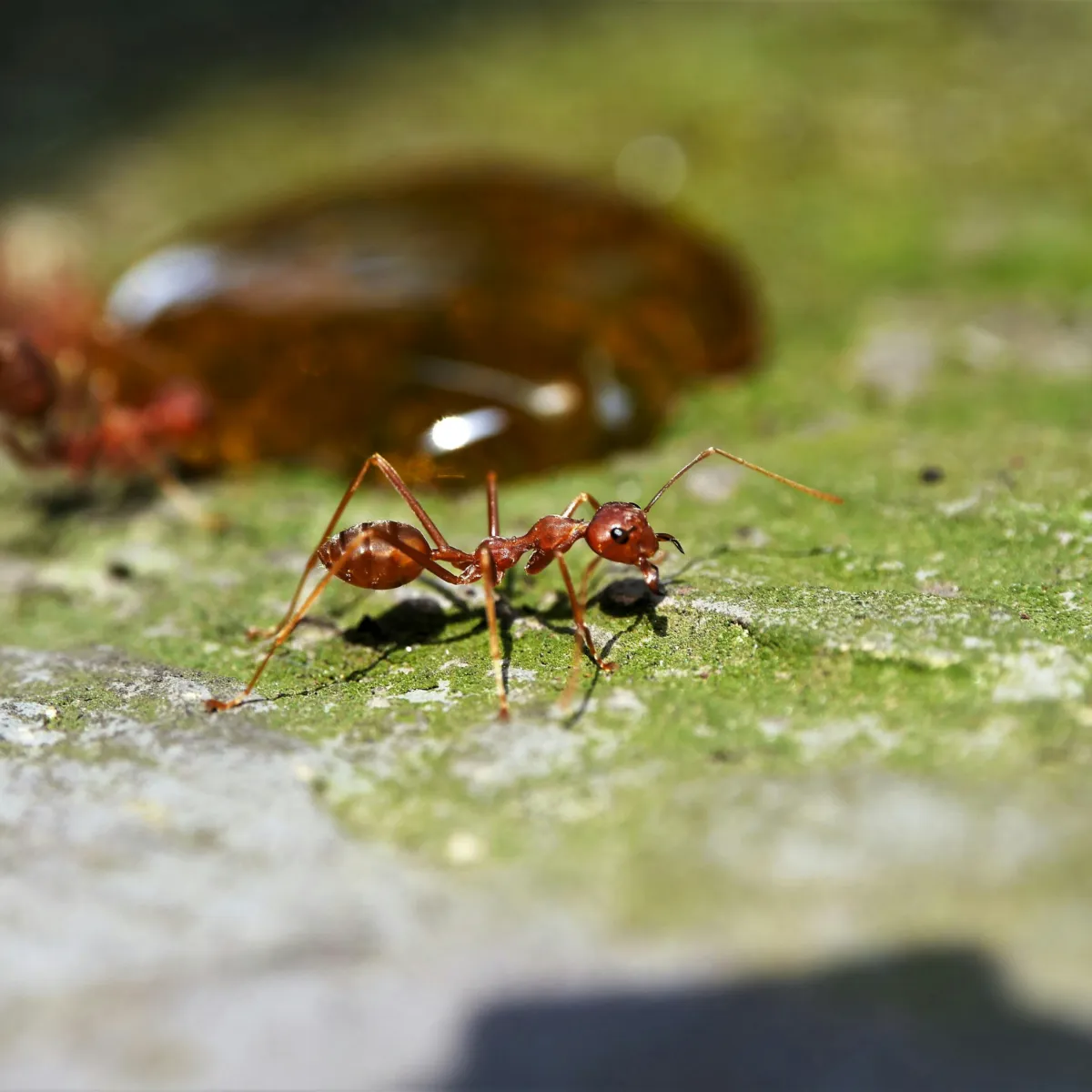
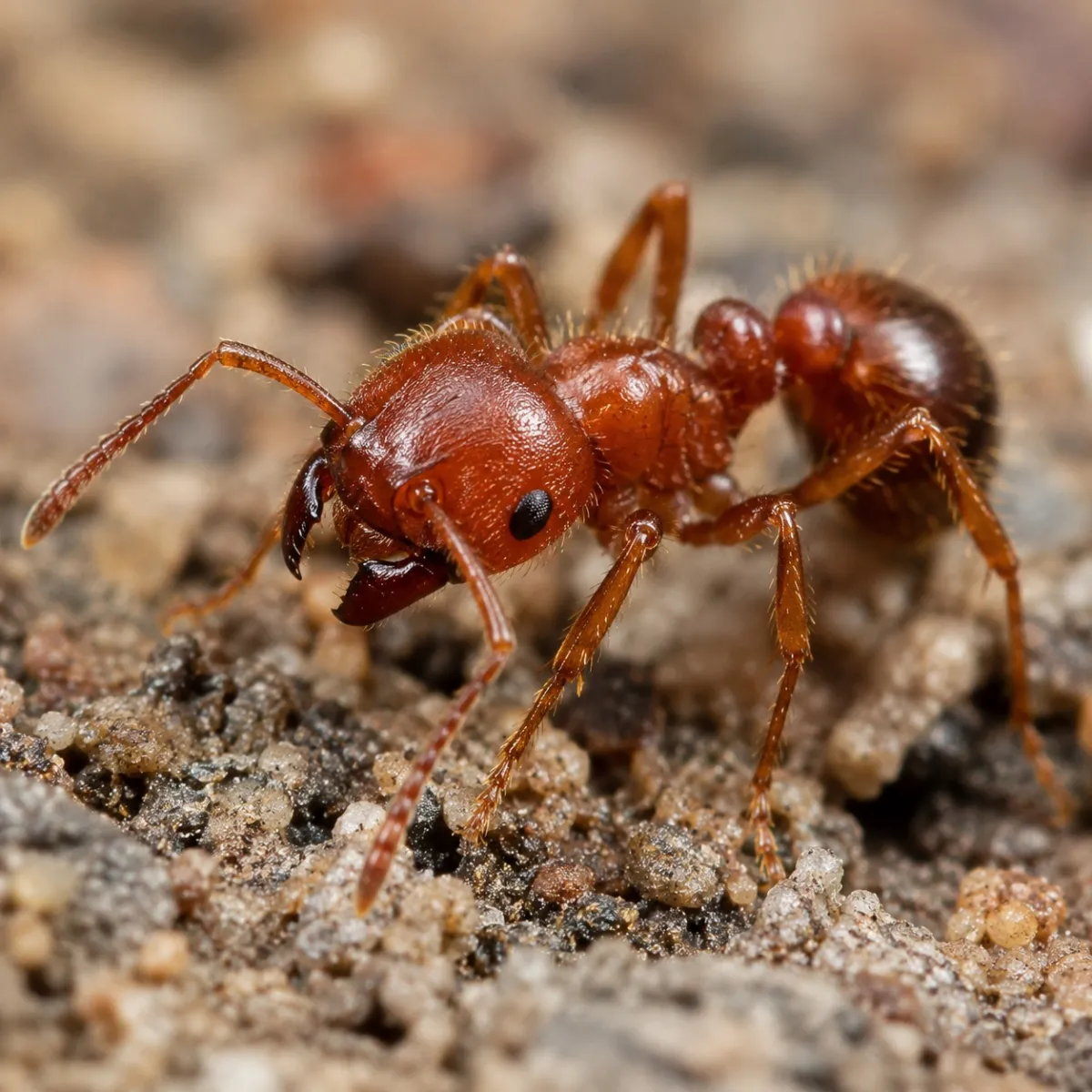
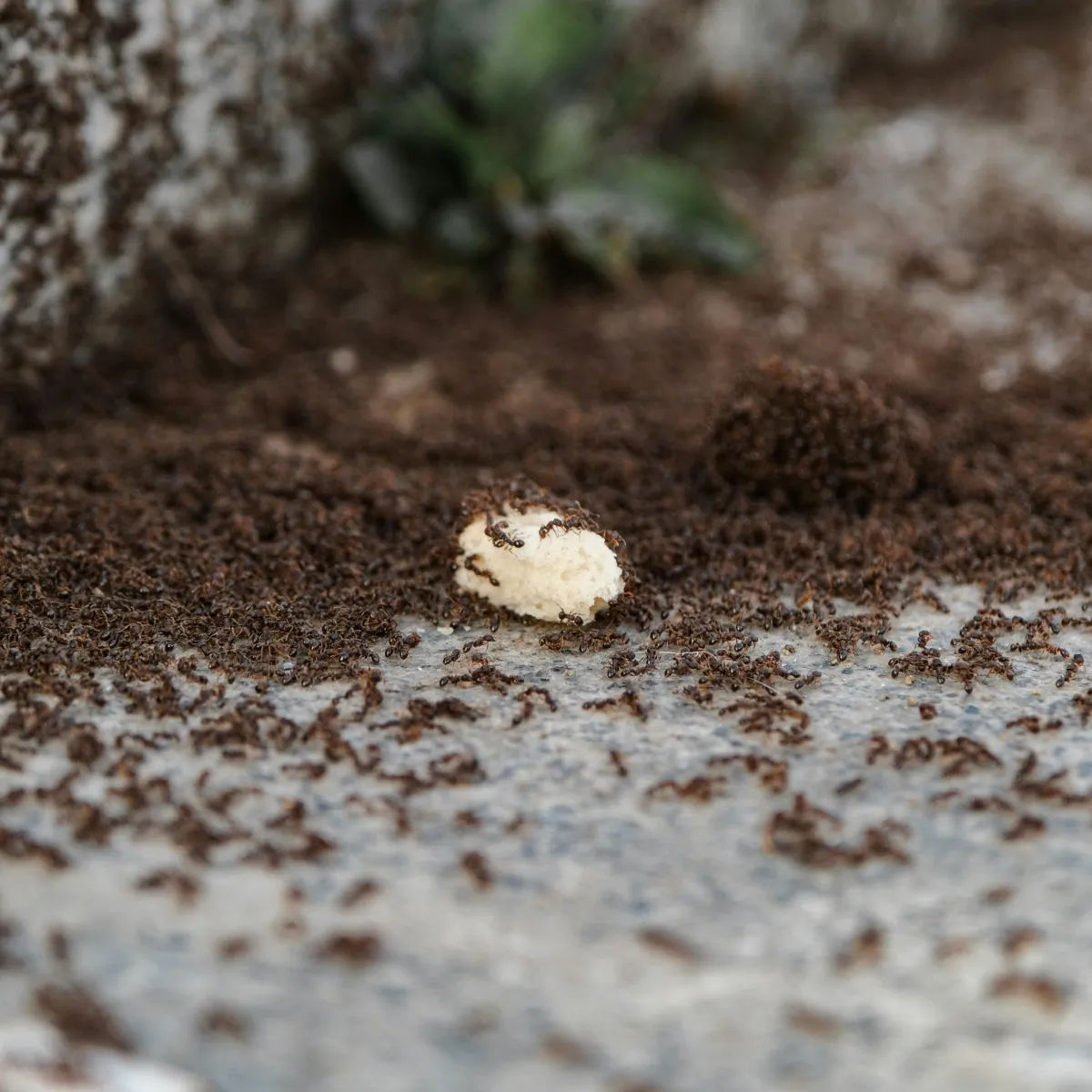
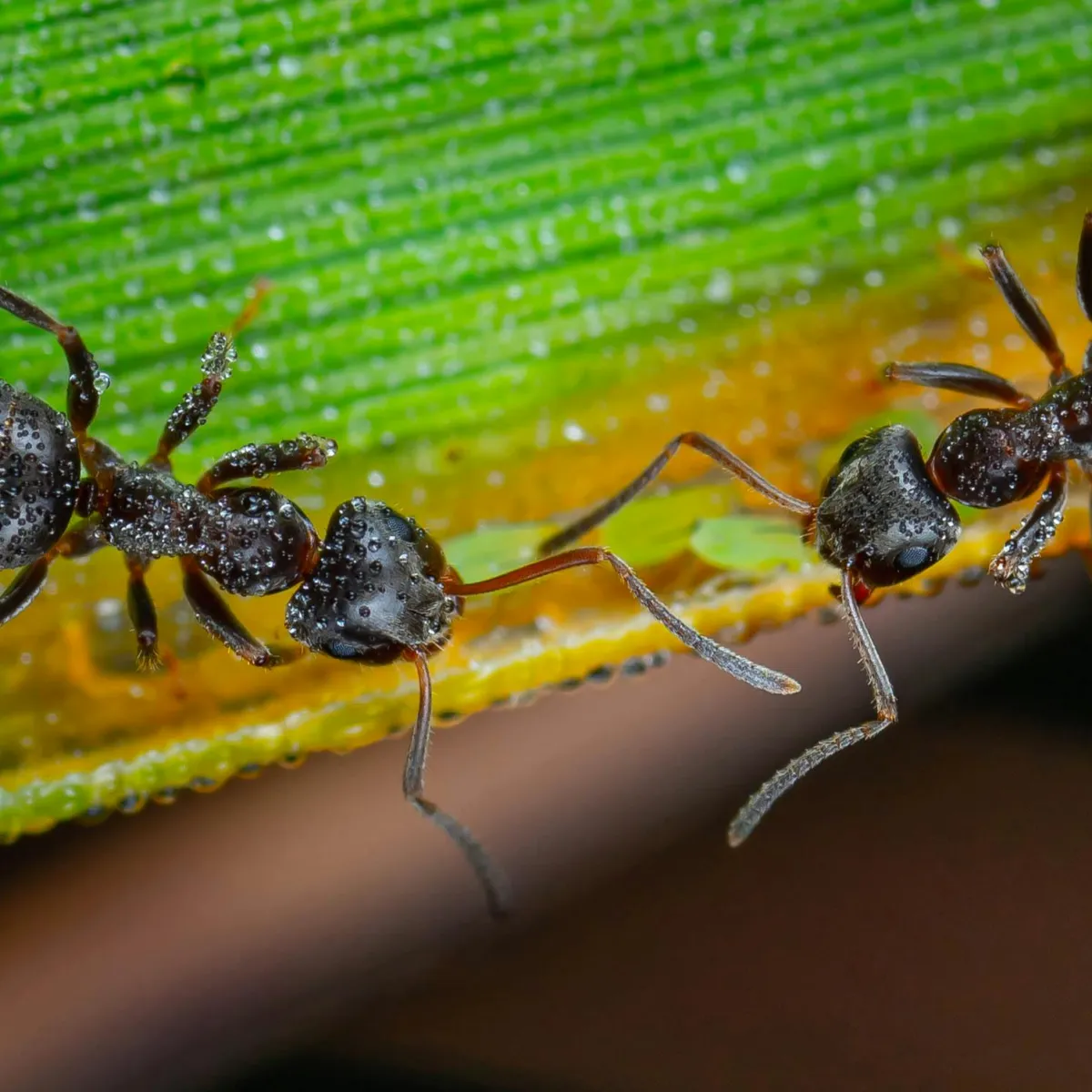
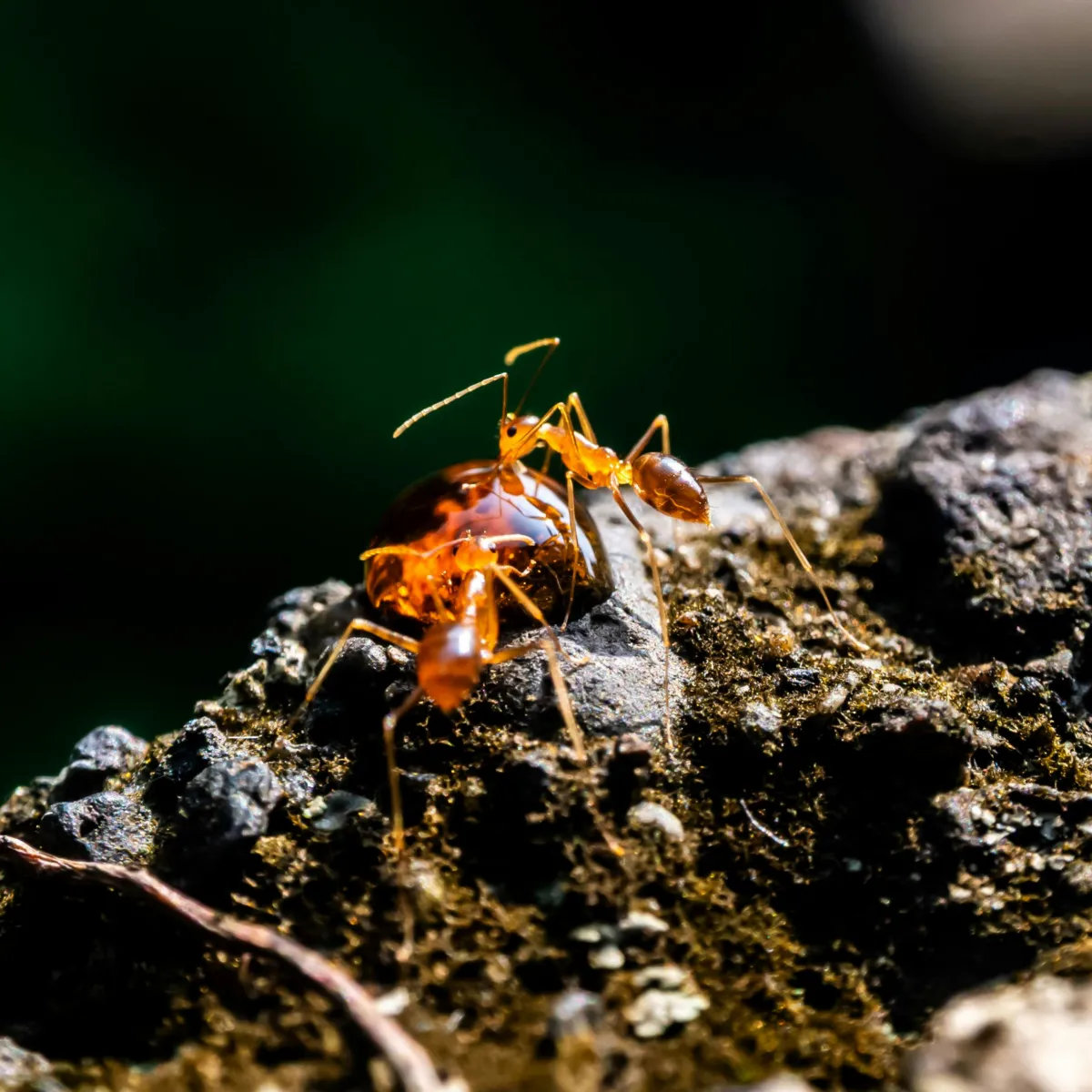
Fire ants are small reddish to reddish-brown ants, often about 1.6 to 5 mm long. They may look like other ants until their mound is disturbed.

Their behavior is usually the clearest sign. Fire ants can swarm quickly and sting repeatedly when threatened. Their mounds often look like loose soil without one obvious center opening.

In Dover, fire ant mounds may show up near open soil, driveway edges, irrigation zones, fence lines, pet spaces, garden borders, and sunny turf.

WHY DOVER FIRE ANT MOUNDS RETURN

Why Fire Ants Are Difficult to Control

Fire ants are difficult because most of the colony is underground. Surface sprays may affect visible ants while deeper activity continues.

Baits depend on timing, moisture, and whether ants are actively foraging. Rain, heat, irrigation, and mowing can all change where fire ants appear. Disturbing a mound can also increase sting risk.

Professional fire ant treatment helps match the approach to the property’s conditions and the level of activity.

SIX-STEP FIRE ANT SERVICE FOR DOVER PROPERTIES

How Our Fire Ant Control Service Works

Review Main Yard Contact Areas

Your technician checks driveways, shed paths, garden rows, pet spaces, fence lines, and mowing routes where mounds create the most trouble.

Map Active Mound Clusters

Visible mounds and nearby ant movement are noted to understand whether activity is isolated or spread across the yard.

Evaluate Soil and Irrigation Conditions

Sandy soil, irrigation spray, recent rain, open turf, and warm pavement edges are considered before treatment.

Treat Fire Ant Activity

Treatment may be applied to active mounds, nearby turf, or broader yard zones depending on what is found. Products are applied according to product label directions.

Explain Post-Service Yard Use

Your technician can explain when treated areas may be used again and why treated mounds should not be disturbed too soon.

Recommend Continued Support if Needed

If new mounds appear after rain, watering, mowing, or soil movement, recurring lawn pest control may be recommended.

TREATMENT OPTIONS FOR DOVER FIRE ANTS

Professional Fire Ant Treatment Options

The right treatment depends on mound locations, yard size, and current activity.

This helps focus service on the parts of the property where fire ants are causing the most trouble.

Treatment options may include:

Direct treatment for active mound sites

Yard-zone treatment for wider mound activity

Bait-based treatment when ants are foraging

Mound drench treatment where appropriate

Two-step treatment for mounds and surrounding turf

Service near garden rows, irrigation strips, sheds, and pet spaces

Seasonal lawn pest service for recurring activity

Guidance for monitoring new mound movement

WHY DIY MOUND PRODUCTS MAY MISS

DIY vs. Professional Fire Ant Control

DIY fire ant products can be difficult to time correctly. A bait may not work well if ants are not foraging. A surface spray may not reach the underground colony. Rain, dew, heat, and irrigation can also affect results.

There is also sting risk. Standing close to an active mound or disturbing the soil can cause ants to swarm quickly.

Professional fire ant control gives the yard a closer review before treatment is applied.

STING RISKS IN ACTIVE YARD SPACES

Are Fire Ants Dangerous?

Fire ants can sting repeatedly when disturbed. Stings may cause burning, red bumps, irritation, or pustules. Some people may have stronger reactions and should seek medical attention if symptoms are concerning.

Children, pets, gardeners, and anyone walking barefoot may be more likely to encounter mounds. Avoid stepping on, digging into, or flooding fire ant mounds.

MOUNDS, MOWING, AND WORK AREAS

Can Fire Ants Damage Your Lawn?

Fire ant mounds can create raised soil patches, uneven turf, and messy-looking lawn areas. They can also interfere with mowing, trimming, walking, and outdoor chores.

Mounds near driveways, field edges, garden rows, pet spaces, and shed paths are especially frustrating because they affect everyday outdoor routines.

WHEN FIRE ANTS FLARE UP IN DOVER

When Fire Ant Mounds Are Most Noticeable

Fire ants prefer warm, sunny conditions. In Dover, mound activity may be noticeable through much of the year, especially after rain, irrigation, mowing, or soil disturbance.

Mounds may become more visible when colonies push soil upward. During very hot weather, ants may shift foraging to cooler parts of the day.

AFTER-SERVICE GUIDANCE FOR DOVER YARDS

Family and Pet-Conscious Fire Ant Treatment Guidance

Fire ant treatments should be applied according to product label directions. Your Green Team can provide re-entry guidance after service so your household knows when treated areas may be used again.

Before treatment, move pet bowls, toys, garden tools, and loose outdoor items away from mound areas when possible. After service, avoid disturbing treated areas until your technician’s guidance has been followed.

WHY DOVER HOMEOWNERS CHOOSE YOUR GREEN TEAM

Why Choose Your Green Team for Fire Ant Control?

Dover properties often include sandy soil, open grass, irrigation strips, pet spaces, garden areas, and shed paths where fire ants can interrupt daily routines. Your Green Team builds fire ant control around those real property conditions.

Homeowners choose Your Green Team for:

  • Targeted service for active fire ant mounds
  • Treatment near garden rows, sheds, pet areas, and open turf
  • Yard recommendations based on soil and moisture conditions
  • Family and pet-conscious guidance after service
  • Clear explanation of what to expect
  • Options for recurring fire ant activity
  • Local understanding of Tampa-area lawn conditions

DOVER FIRE ANT QUESTIONS

Fire Ant Control FAQs

Request Fire Ant Control in Dover, FL

Keep fire ants from interrupting your garden rows, driveway edges, pet spaces, irrigation strips, shed paths, and open yard areas.
Schedule fire ant control in Dover, FL with Your Green Team for targeted service and clear after-treatment guidance.