
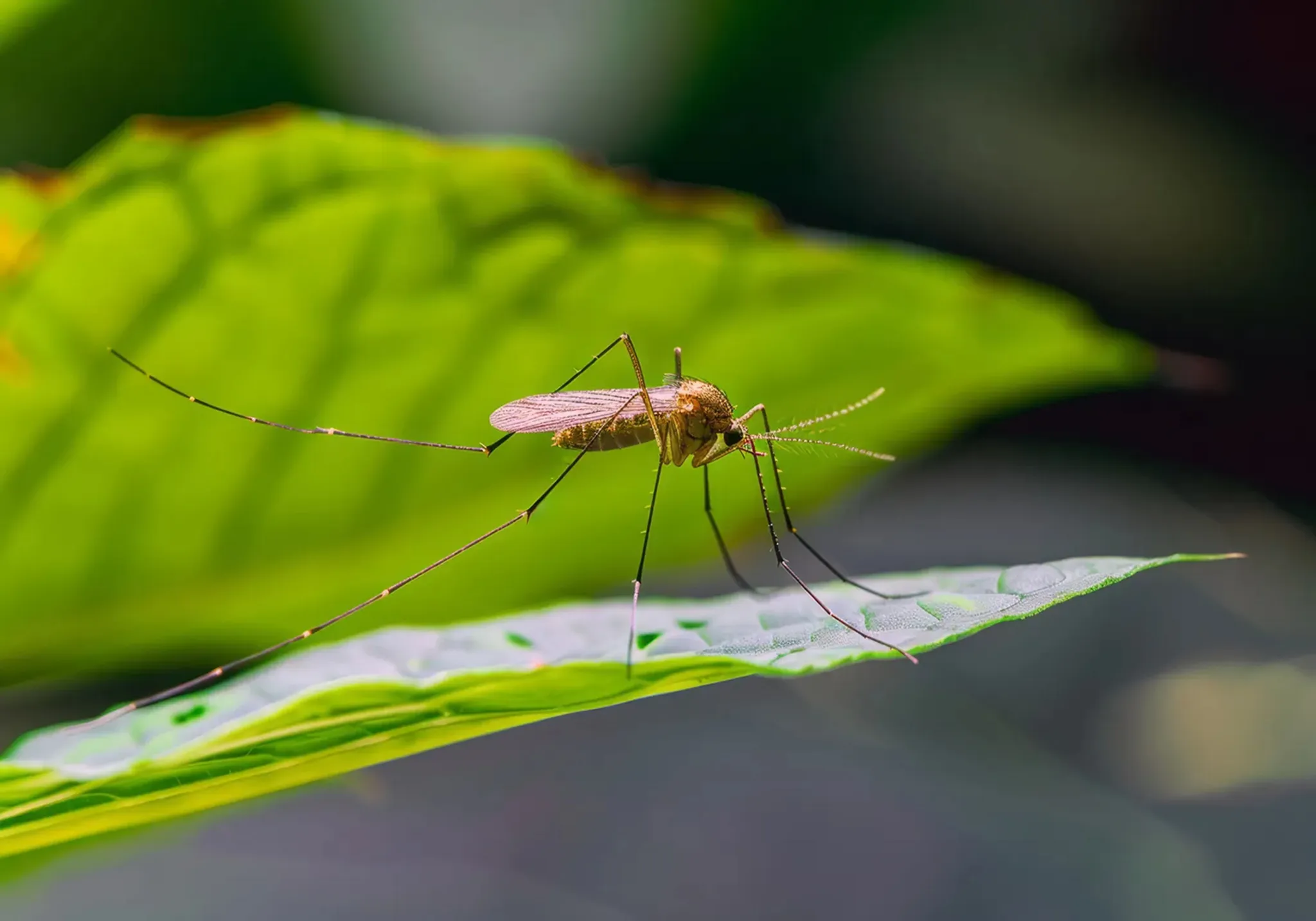
Top Mosquito Repellent Plants & Natural Deterrents for Florida
Dive Into the Best Natural Ways to Protect Your Home & Loved Ones From Mosquitoes
Key Takeaways
- Oil of lemon eucalyptus is the most effective botanical repellents
- Eliminating sources of stagnant water is one of the most effective ways to reduce mosquito breeding and prevent new populations
- Most natural mosquito-repelling plants are only effective when their natural oils are released
- A layered approach that combines prevention, habitat reduction, and repellents delivers better mosquito control than any single method alone
- Contact the pros at Your Green Team for mosquito control services that reduce populations near you.
The Science Behind Natural Mosquito Repellents
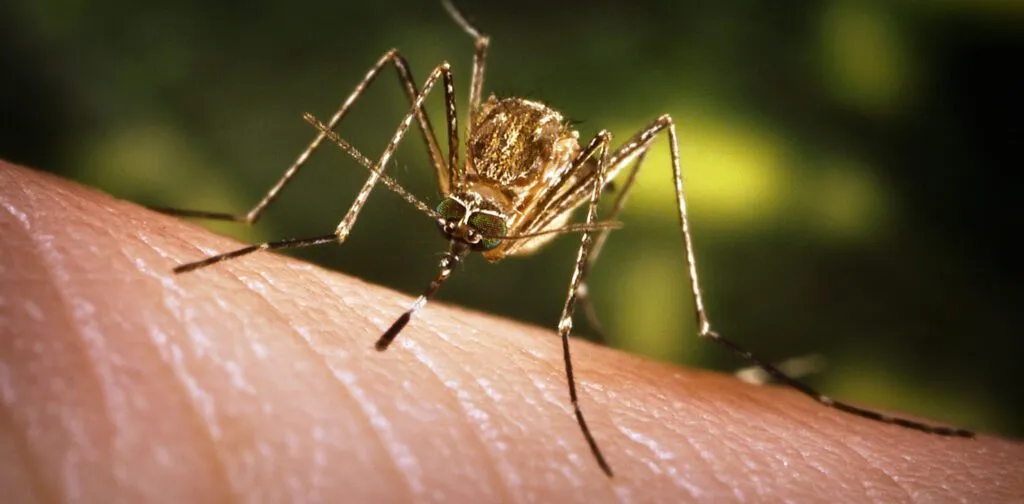
Mosquitoes don’t find you by accident. They track you down using three distinct signals:
- The carbon dioxide you exhale with every breath
- The heat your body radiates
- The particular blend of chemical compounds your skin produces
Natural repellents interrupt these signals. The volatile oils found in certain plants and concentrated in essential oils mask or scramble those signals. This effectively blinds the mosquito’s navigation.
However, a potted plant doesn’t do this by just sitting there. The oils responsible for that interference have to actually be in the air at meaningful concentrations.
That happens when the leaves get crushed, the stems get trimmed, the material gets burned, or the oil gets extracted and applied. Activation is everything!
The Standing Water Problem
Before we even get to plants and oils, there’s one action costs nothing and makes a HUGE difference.
Eliminate standing water around your home.
The most common types of mosquitoes reproduce in your yard. All they need is a small pool of stagnant water and a few days. And one female mosquito can deposit hundreds of eggs in a container you could fit in your palm.
Walk your property and remove every standing water source you can find. Clean out your gutters. Flip over containers that collect rain. Change birdbath water. These simple actions do a lot to deter mosquitoes naturally.
Which Plants Repel Mosquitoes?
Herbs From the Kitchen
Basil releases its oils really easily. A brush of your hand as you pass is enough to push a bit of fragrance into the air. Simply cluster a few containers near outdoor chairs.
Rosemary thrives in Florida’s heat and releases a woody scent through ordinary contact. Planting it along pathways and near doorways means you activate it just by moving through your yard.
Mint and peppermint are fragrant plants that mosquitoes find off-putting. Crush a few leaves and rub them on exposed skin for a quick, improvised repellent. FYI: Containers are highly recommended for mint unless you want this herb to take over.
Thyme has the compound thymol, released when thyme is bruised or burned. And this has documented insect-repelling properties. Throw a few sprigs onto fire pit coals the next time you’re gathering outside.
Garlic, when planted along the perimeter of your yard, creates a low-level deterrent. It’s not a dramatic solution, but as a contributing layer, it adds up.
Flowering Plants
Lavender is probably the most widely recognized repellent flower. Its active compound, linalool, does the heavy lifting. Brushing against the plants or applying extracted lavender oil to your skin produces the best results.
Marigolds pack a chemical compound called pyrethrum into their petals. It’s the same substance used as the active ingredient in many commercial insect repellents.
Citronella grass is the real source of the citronella oil most people associate with candles. Growing it in large containers gives you both an authentic repellent plant and a dramatic visual element.
Lemongrass is tall, tropical-looking, and highly aromatic when disturbed. Perfect as a border plant along patio edges.
Geraniums release a citrus-like fragrance that mosquitoes find unpleasant. They do well in containers and can be moved wherever you’re sitting.
Lesser-Known Plants With Potency
Catnip is often underestimated. Research has found that nepetalactone can outperform DEET in controlled laboratory settings. Crush the leaves to unlock the effect.
Lemon balm has a sharp, citrusy fragrance that mosquitoes avoid. It grows in Florida and performs well in containers.
Sage comes into its own when burned. A handful of sage leaves on fire pit coals fills the surrounding air with aromatic smoke that functions as a reliable deterrent.
Eucalyptus contributes, though the extracted oil form (specifically oil of lemon eucalyptus) is where the real effectiveness lives.
The Power of Essential Oils
Applied to skin or diffused into outdoor air, essential oils deliver the same active compounds at much higher concentrations than any garden plant can produce passively.
Lemon eucalyptus oil is the only plant-derived repellent recognized as comparable in effectiveness to DEET. Applied properly in a carrier, it provides two to three hours of solid protection.
Citronella oil (the pure, concentrated version rather than candle form) is fairly potent. Used in a spray or diffuser outdoors, it performs at a higher level than a wax candle.
Lavender oil is one of the gentler options, tolerable for most skin types and far more pleasant-smelling than many repellents. It’s a good choice for lower-intensity situations.
Tea tree oil brings both antimicrobial and insect-repelling properties to the table. Dilution is critical. Undiluted tea tree oil causes skin irritation for many people.
A few safety reminders before you start mixing:
- Always dilute essential oils in a carrier before applying to skin
- Certain oils (tea tree, eucalyptus, and peppermint) can be harmful to young children and pets at concentrations safe for adults
- When in doubt, check the label and patch-test on a small area first
Making Your Own Repellents at Home
Spray repellent
Mix roughly one part essential oil with ten parts of a carrier. Witch hazel and distilled water both work well. Shake before every use. Reapply every two to three hours, or sooner if you’ve been sweating.
Oil-based skin repellent
Combine three to five drops of your chosen oil with one ounce of a carrier oil such as fractionated coconut oil or sweet almond oil. This version tends to linger a bit longer on the skin than water-based formulas. Apply to exposed areas and keep it away from eyes and mouth.
For your outdoor space
Citronella candles are most effective in small, partially enclosed areas where airflow is limited. Herb bundles burned near a grill or fire pit release aromatic smoke that deters mosquitoes in the immediate vicinity. Also, scattering crushed lavender or mint leaves around the perimeter of your seating area adds a low-level deterrent to the mix.
Two Other Important Deterrents
Yard maintenance matters.
Dense, overgrown vegetation gives mosquitoes the resting habitat they prefer during daylight hours. Keeping grass trimmed and shrubs under control reduces the places mosquitoes spend their days. That means fewer of them are active in your area.
A fan is underrated.
Mosquitoes are poor fliers. A box fan directed toward your seating area creates enough airflow to make landing difficult, and it disperses the CO2 and body-chemistry signals that draw mosquitoes. It’s arguably the cheapest, most immediate impact tool available.
Common Misconceptions About Natural Repellents
“My citronella plant is keeping mosquitoes away from the patio.”
Unfortunately, a container of citronella grass sitting undisturbed on your deck isn’t releasing meaningful concentrations of oil. The protective effect requires physical interaction with the plant.
Positioning it where people will brush against it, or making a habit of crushing a few leaves before you sit down, changes the equation.
“I just need the right plant and the problem is solved.”
Mosquito management is layered. A yard with repellent plants, applied skin repellents, no breeding sites, and good airflow will outperform any single approach by a wide margin.
There’s no one plant or one product that handles this on its own.
When Natural Methods Are Enough & When They’re Not
If you have a smaller yard, mosquitoes show up only occasionally, and your main concern is comfort during time outside, a natural approach can get you there.
Remove standing water, plant strategically, apply oils to skin, and use fans. That combination handles light-to-moderate mosquito pressure effectively.
Florida mosquito pressure is real, and for many properties, natural methods alone hit a ceiling.
Are you scheduling outdoor time around when mosquitoes are least active? That’s a signal that professional treatment will accomplish what DIY cannot.
Your Green Team provides mosquito control treatments that address active populations, target breeding and resting zones, and restore your yard to genuinely usable condition.
Natural repellents work beautifully as a complement to that kind of professional program. But they’re not a substitute for it when the situation has escalated beyond what they can handle.
We proudly serve several Florida cities, ensuring high-quality lawn care and pest control services for these communities:
Quick Mosquito FAQs
-
How do I keep mosquitoes away from my yard naturally?
Start by eliminating every standing water source on your property. From there, layer in repellent plants near seating areas, apply essential oil-based repellents to skin, keep grass and vegetation trimmed, and use fans to disrupt flight.
-
Are natural repellents safer than DEET?
They carry fewer synthetic concerns. The trade-off is shorter protection windows and the need to reapply more often.
-
What kills mosquito larvae naturally?
BTI (Bacillus thuringiensis israelensis) is a naturally occurring bacteria that targets and kills mosquito larvae in standing water.
-
Do repellent plants actually work?
Yes, when used correctly. The oils need to be actively released. Passive plants contribute very little.
-
What's the most effective natural mosquito repellent available?
Oil of lemon eucalyptus, applied in a diluted carrier.