FIRE ANT CONTROL FOR TRINITY LAWNS AND PAVERS
Fire ants can turn a clean, maintained Trinity lawn into a place you avoid. Mounds may appear near paver driveways, sidewalks, backyard gates, irrigation heads, play areas, and pet paths. Your Green Team provides fire ant control services in Trinity, FL for active mounds and lawn areas where fire ants are disrupting outdoor use.

Service for mounds near patios, walkways, turf edges, and high-use lawn areas
Fire ants are aggressive when disturbed and can sting repeatedly. A mound near the mailbox, driveway, lanai, or dog route may become a daily concern because it sits right where people and pets move.
Your Green Team checks mound locations, lawn conditions, and high-use areas before recommending treatment. Service may focus on active mounds, surrounding turf, and lawn zones where fire ants may continue spreading.
Professional fire ant pest control helps address the activity beneath the surface instead of only flattening visible mounds.
OUR TRINITY FIRE ANT CONTROL PROCESS
Your technician reviews driveways, sidewalks, patios, gates, pet routes, and play areas where fire ants are most likely to cause problems.
Visible mounds and nearby ant movement are located to understand how the problem is spread across the property.
Thin turf, sandy soil, watering patterns, and recent rain are considered because they can affect mound activity.
Treatment may be applied to active mounds, nearby turf, or wider lawn zones depending on what is found. Products are applied according to product label directions.
Your technician can explain when treated areas may be used again and what areas should not be disturbed after service.
If fire ants keep returning after rain or lawn work, your technician may recommend recurring lawn pest control.
WHY FIRE ANTS ARE A PROBLEM IN TRINITY
Fire ants can affect lawn use, mowing, gardening, outdoor play, and pet time. The mound you see is only the visible sign of underground colony activity.
Trinity lawns often include irrigation, sunny turf, landscape borders, and paver edges that can create favorable places for mounds to appear. Rain and watering can also make activity more noticeable.
Professional fire ant control helps reduce active mound pressure while giving homeowners clear guidance on how to avoid disturbing treated areas.
FIRE ANT MOUND WARNING SIGNS
Fire ant activity can show up quickly after rain, irrigation, or lawn work.
If mounds are appearing in more than one area, the yard may need a broader treatment approach.
WHAT FIRE ANTS LOOK LIKE
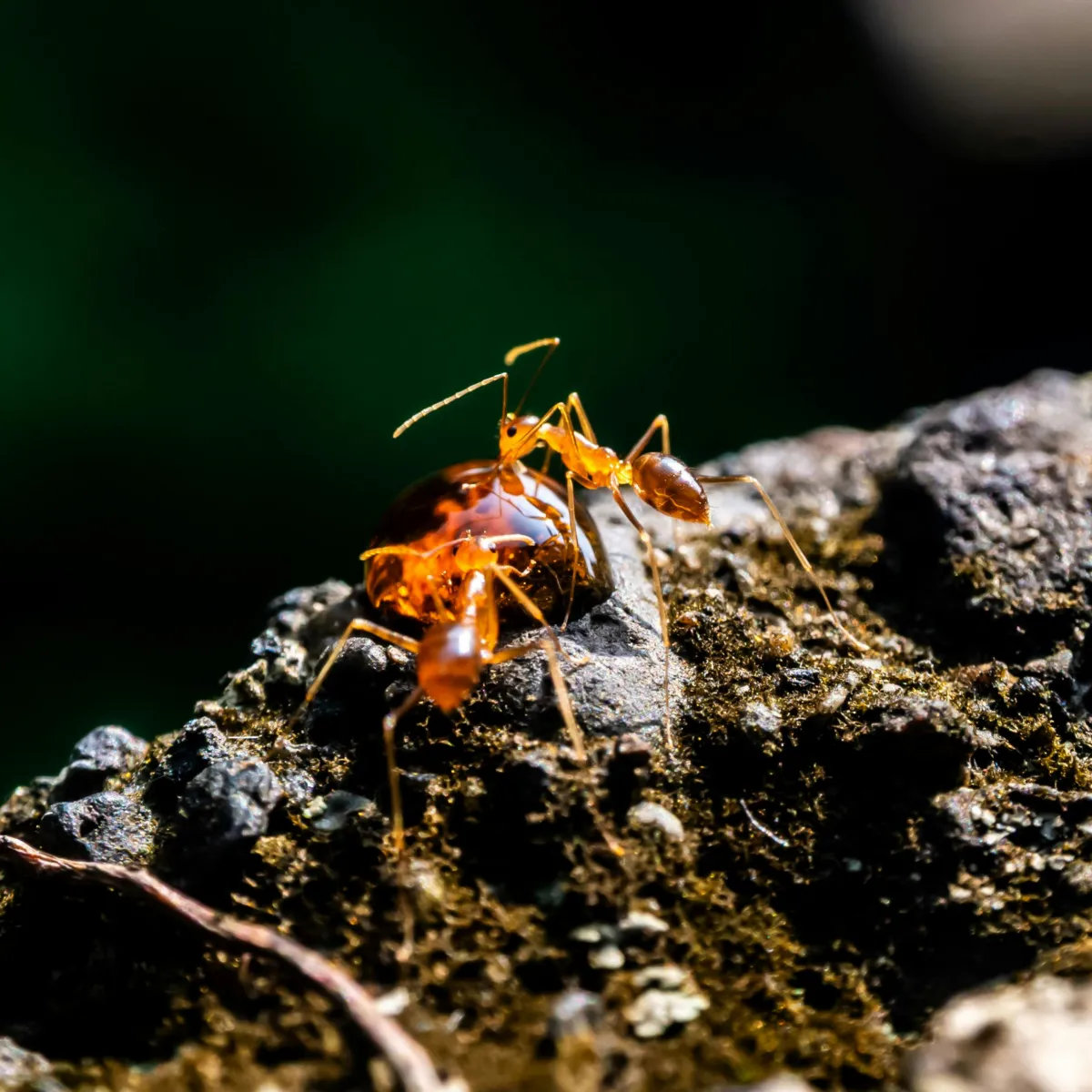
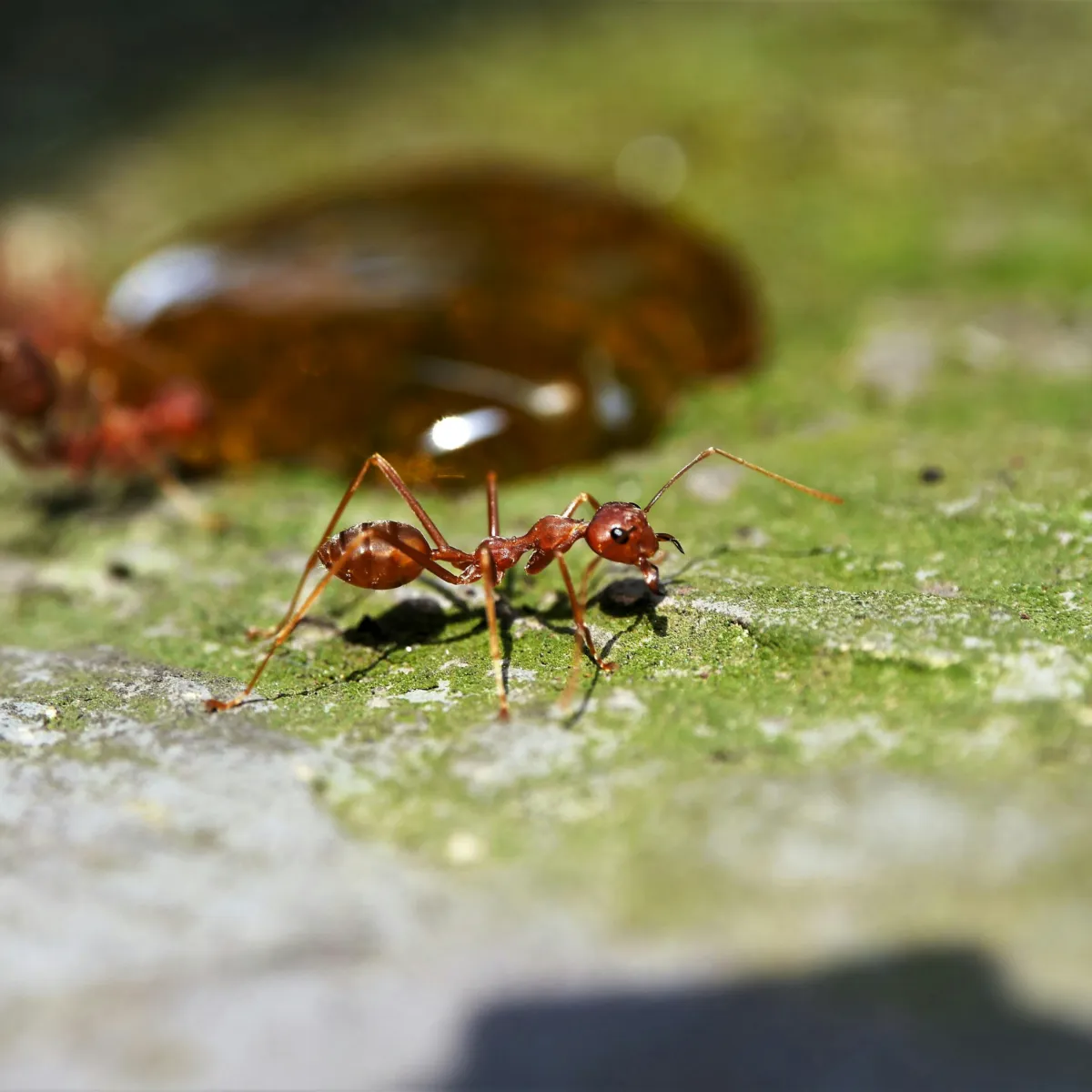
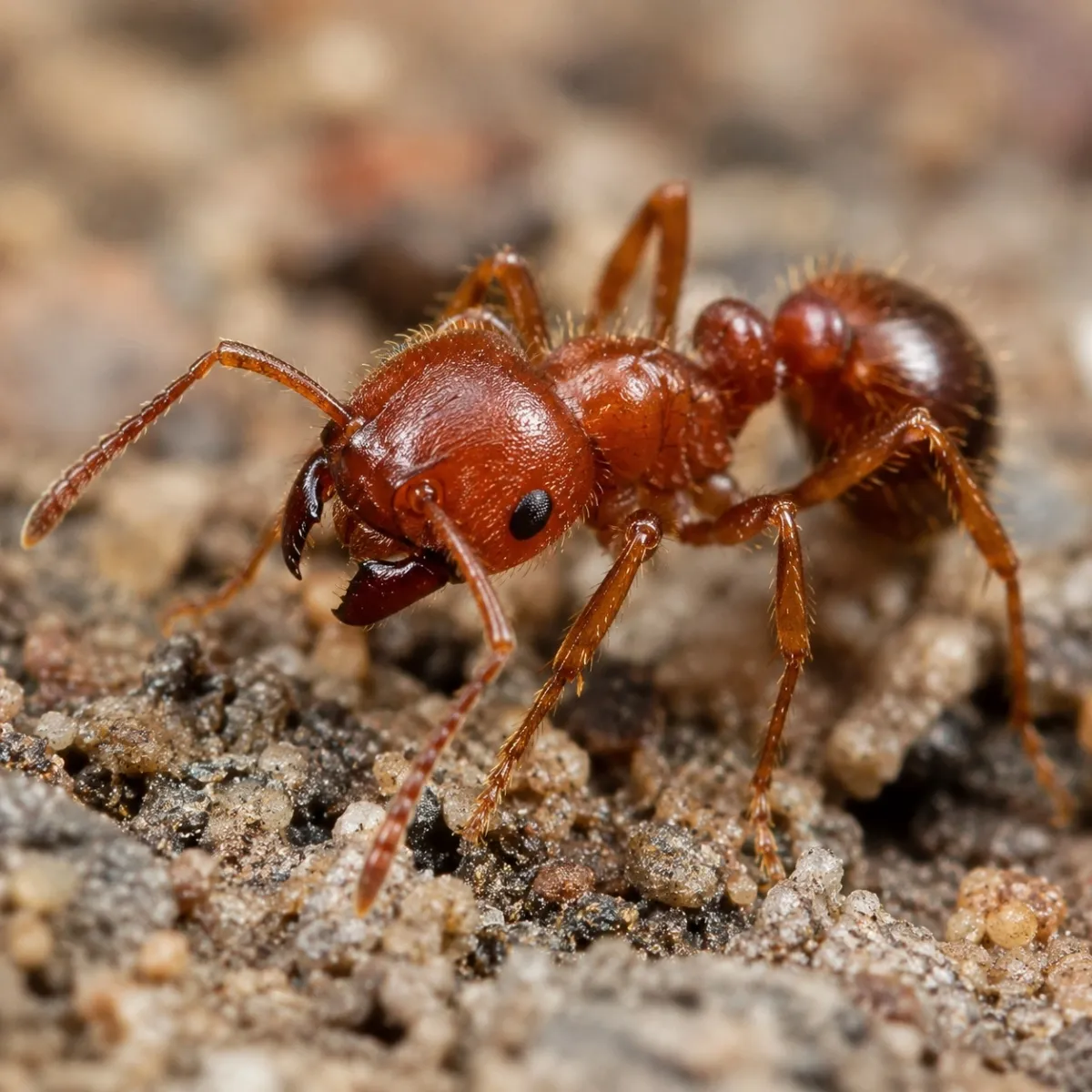
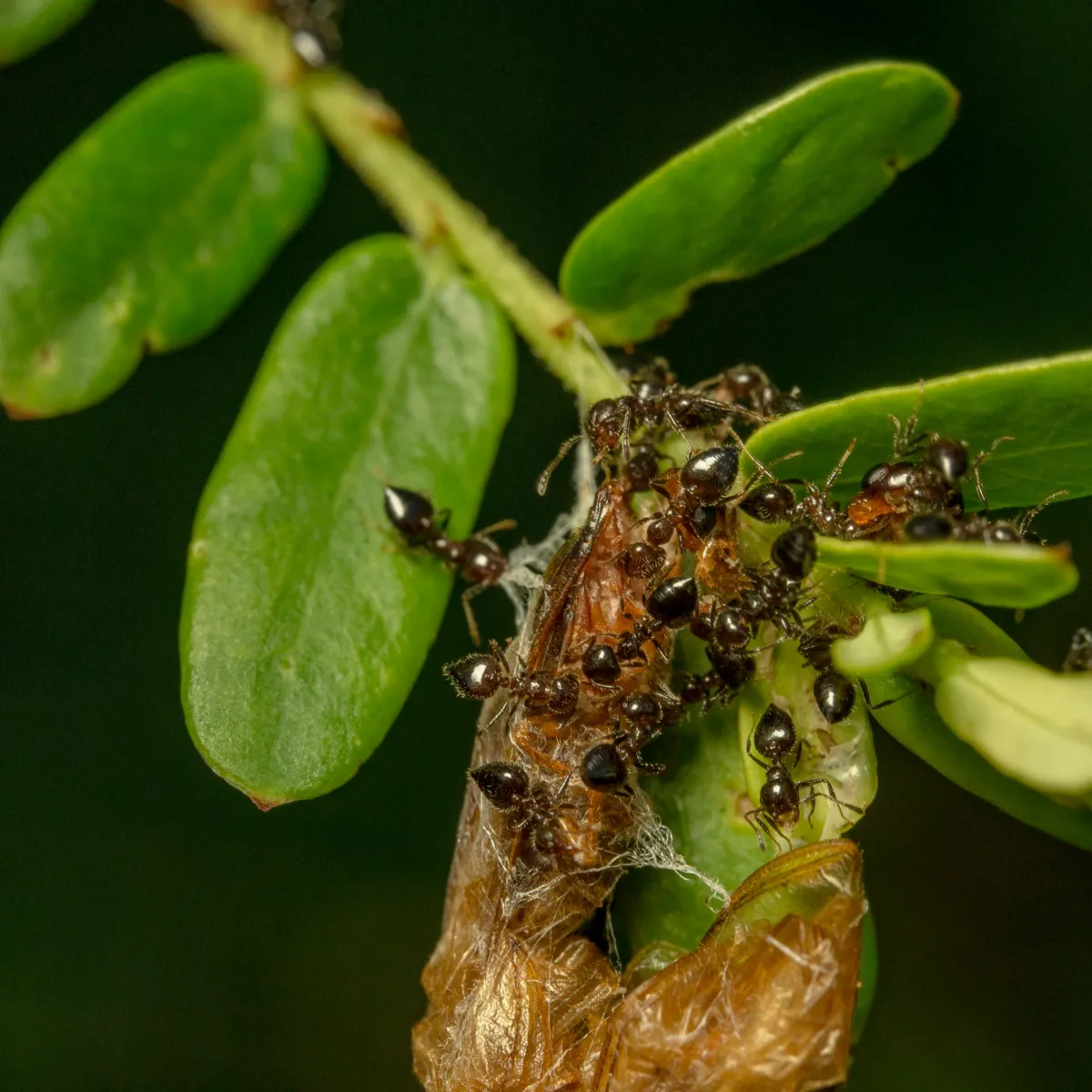
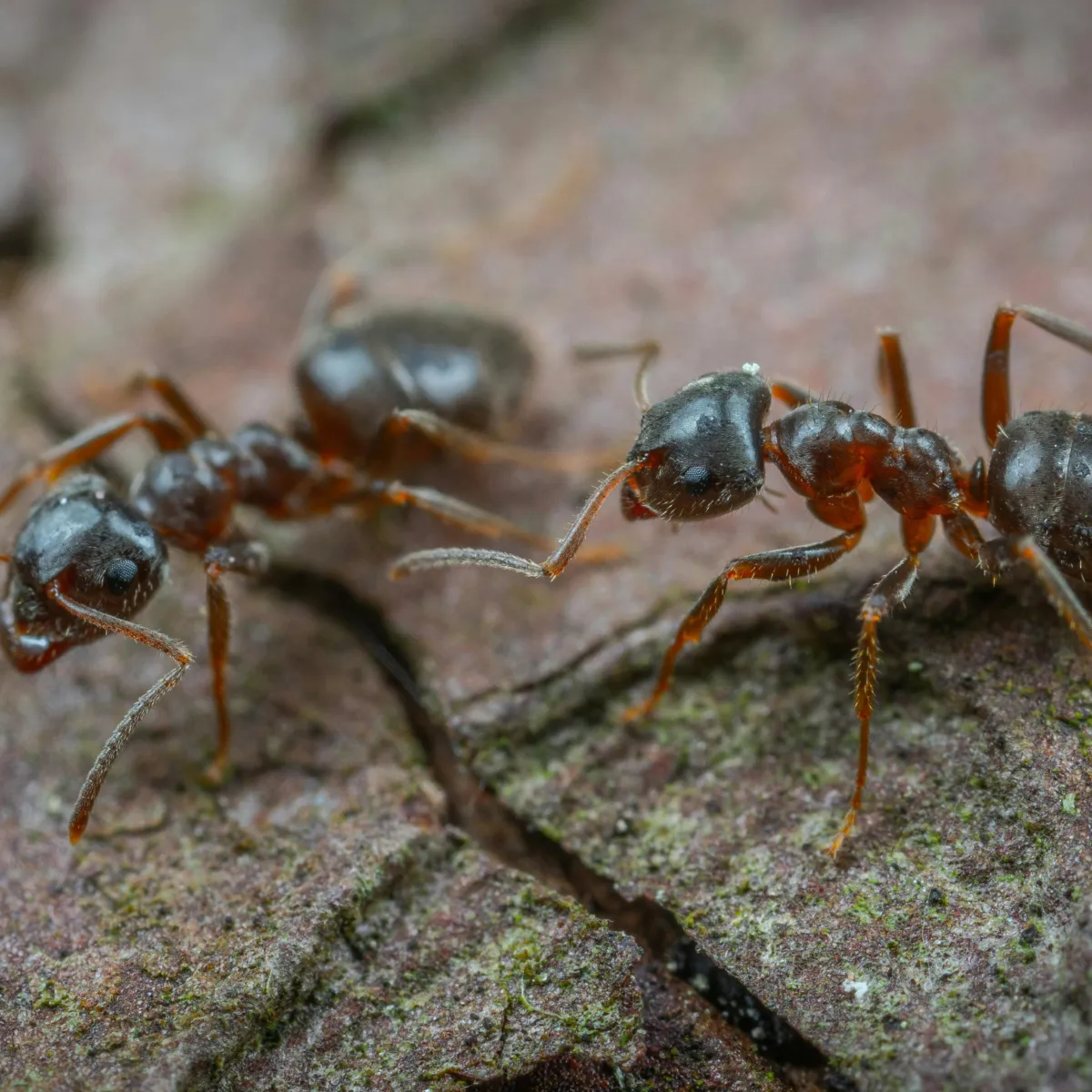
Fire ants are small reddish to reddish-brown ants, often about 1.6 to 5 mm long. They may look ordinary until their mound is disturbed.
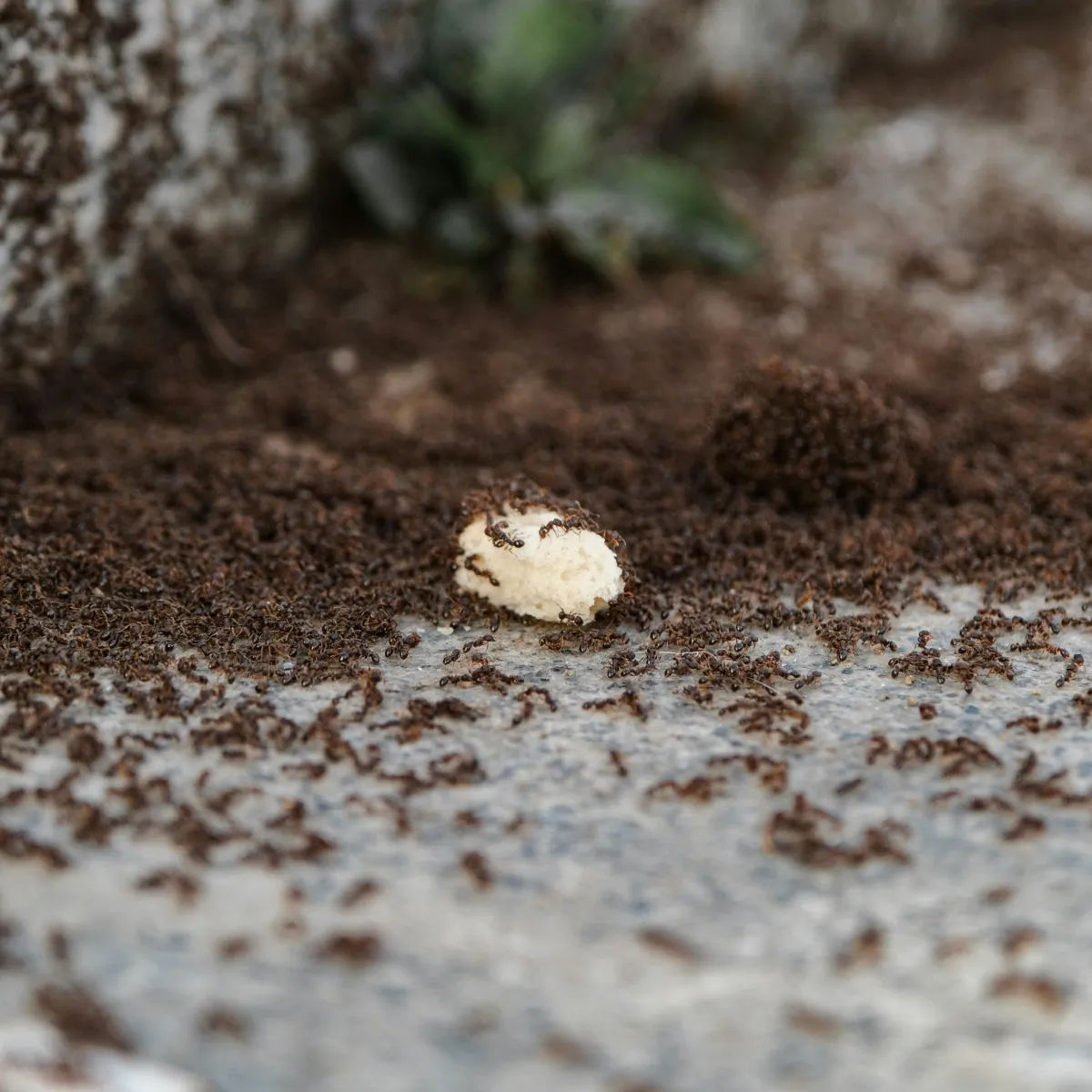
The most noticeable sign is their aggressive response. Fire ants often swarm quickly when the mound is touched. Their mounds may look like loose soil without a clear center hole.
In Trinity, fire ant mounds may appear in open turf, warm pavement edges, landscape borders, and thin grass near irrigation.
WHY FIRE ANTS ARE HARD TO ELIMINATE
Fire ants are difficult because the visible mound is only a small part of the colony. Much of the activity sits underground, and the colony may shift after rain, watering, or disturbance.
DIY sprays may only affect ants on the surface. Baits depend on timing, foraging, and weather conditions. Disturbing a mound can also increase the chance of stings.
Professional fire ant treatment helps match the method to the yard conditions, mound activity, and level of infestation.
FIRE ANT TREATMENT OPTIONS
Treatment should match the level of activity in the yard. Your Green Team may recommend a plan based on mound locations, lawn use, and recent weather.
The goal is to reduce fire ant activity in the areas your household depends on most.
WHY DIY FIRE ANT CONTROL GETS FRUSTRATING
Fire ant products can be hard to time correctly. Baits may not perform well if ants are not actively foraging. Surface sprays may not reach the colony below the mound. Rain, dew, heat, and irrigation can also affect results.
Another issue is safety around the mound. Getting too close can trigger swarming and stings.
Professional fire ant control gives your lawn a closer evaluation before treatment begins.
FIRE ANT STING RISKS
Fire ants can sting repeatedly when disturbed. Stings may cause burning, red bumps, irritation, or pustules. Some people may experience stronger reactions and should seek medical attention if symptoms are concerning.
Children, pets, and barefoot lawn use can increase the chance of contact. Avoid stepping on, digging into, or flooding active mounds.
FAMILY AND PET-CONSCIOUS SERVICE GUIDANCE
Fire ant treatments should be applied according to product label directions. Your Green Team can provide re-entry guidance after service so your household knows when treated areas may be used again.
Before treatment, move pet bowls, toys, garden tools, and loose outdoor items away from mound areas when possible. After service, avoid disturbing treated mounds until your technician’s guidance has been followed.
WHY TRINITY HOMEOWNERS CHOOSE US
Trinity lawns often have high-visibility turf, paver edges, irrigation, and outdoor living areas that homeowners want to keep usable. Your Green Team builds fire ant control around the yard’s real problem spots.
Homeowners choose Your Green Team for:
– Targeted service for active fire ant mounds
– Lawn recommendations based on property conditions
– Treatment focus near pavers, gates, and pet areas
– Family and pet-conscious guidance after service
– Clear communication on what to expect
– Options for recurring fire ant pressure
– Local understanding of West Pasco lawn conditions
TRINITY FIRE ANT QUESTIONS
Keep fire ant mounds from taking over your paver edges, pet spaces, lawn routes, and outdoor living areas.
Schedule fire ant control in Trinity, FL with Your Green Team for targeted yard service and clear guidance after treatment.