Get your lawn back on track with 50% OFF first application!* 50% OFF First Application!* Call Now

FIRE ANT CONTROL FOR HUDSON YARDS

Professional Fire Ant Control Services in Hudson, FL

Fire ants can turn a good lawn into a place you avoid. In Hudson, FL, mounds often show up in sunny turf, along driveway edges, near patios, around fences, and in areas where people and pets walk. Your Green Team provides fire ant control services for Hudson homeowners who want targeted help with active mounds and recurring yard activity.

A practical way to address fire ants before they take over the yard

Fire Ant Treatment for Lawns, Mounds, and Outdoor Living Areas

Fire ants are aggressive, fast-moving, and known for painful stings when their mound is disturbed. A small mound near the driveway or patio may not look serious at first, but the colony beneath the surface can be much larger than what you see above ground.

Your Green Team inspects fire ant activity, checks affected lawn areas, and recommends treatment based on the severity of the problem. Service may include targeted mound treatment, lawn treatment, and guidance for reducing conditions that can contribute to future activity.

For Hudson homes with children, pets, outdoor seating areas, or frequent lawn use, professional fire ant control can make the yard easier to enjoy.

OUR FIRE ANT SERVICE FOR HUDSON HOMES

How Our Fire Ant Control Service Works

Your Green Team uses a lawn-focused approach to fire ant control in Hudson. The service is built around the location of the mounds, the size of the affected area, and how your household uses the yard.

Inspect the Lawn

Your technician checks for active mounds, ant movement, high-use lawn areas, and nearby conditions that may be contributing to fire ant pressure.

Review the Activity Level

A few isolated mounds may need a different approach than repeated mounds across the yard. Your technician will evaluate the severity before treatment.

Treat Active Problem Areas

Treatment may be applied to active mounds, affected lawn zones, and other areas where fire ant activity is present. Products are applied according to product label directions.

Provide After-Service Guidance

After treatment, your technician can explain what to watch for, when to avoid disturbing treated areas, and whether recurring service may be helpful.

WHY FIRE ANTS NEED ATTENTION

Why Fire Ant Control Matters

Fire ants are more than a simple lawn pest. When a mound is stepped on, kicked, or hit with a mower, fire ants can swarm quickly and sting more than once. That creates problems around play areas, pet spaces, walkways, gardens, patios, and high-traffic lawn zones.

Mounds can also interfere with mowing, create uneven spots in the turf, and make parts of the yard uncomfortable to use. In Hudson’s sandy soil and warm climate, fire ant activity may continue across much of the year, especially after rain or irrigation.

Professional fire ant pest control focuses on the colony activity, not just the dirt mound on the surface.

HOW FIRE ANT PROBLEMS SHOW UP

Signs of a Fire Ant Infestation

Fire ants are often easier to spot after rain, watering, or lawn disturbance. Their mounds may appear suddenly, especially in sunny parts of the yard.

If new mounds keep showing up in different areas, the problem may be spread across more of the yard than it seems.

Signs of fire ant activity may include:

Loose, sandy mounds in the lawn

Multiple mounds across open turf

Reddish-brown ants moving around disturbed soil

Aggressive swarming when the mound is touched

Painful stings after walking or working in the yard

Mounds near driveways, sidewalks, fences, or patios

Activity around pet areas or play spaces

Mounds reappearing after mowing or irrigation

IDENTIFYING FIRE ANTS IN THE LAWN

What Do Fire Ants Look Like?

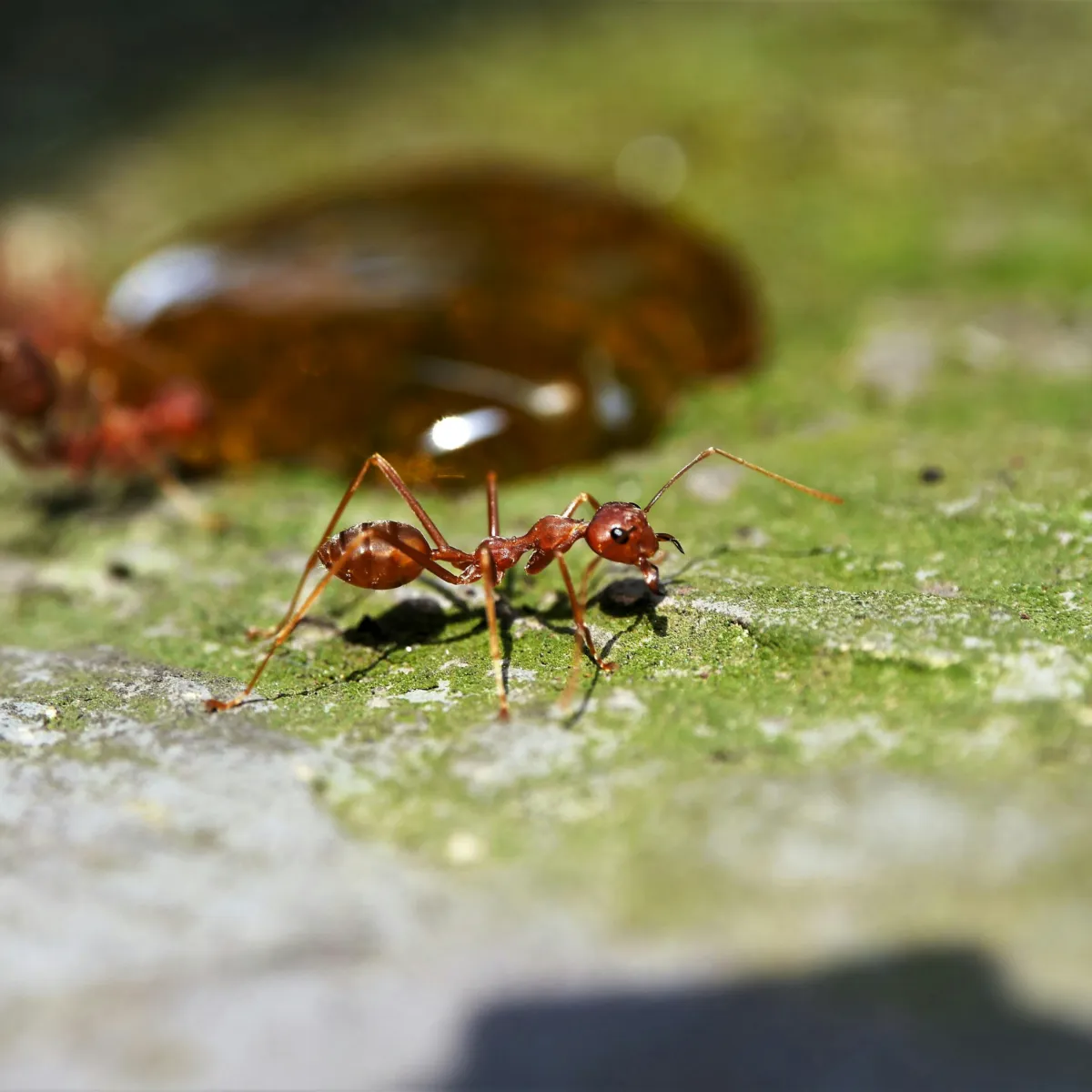
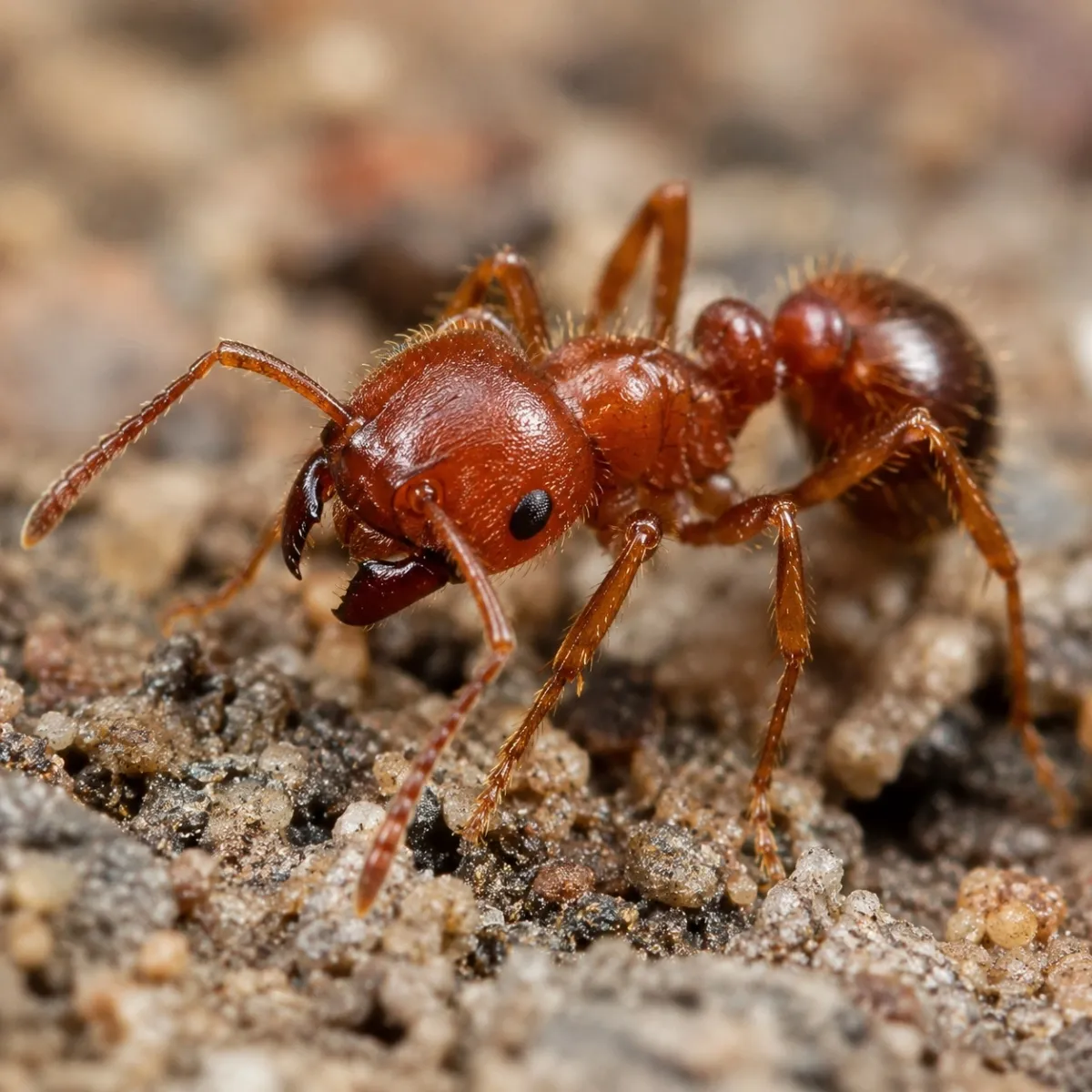
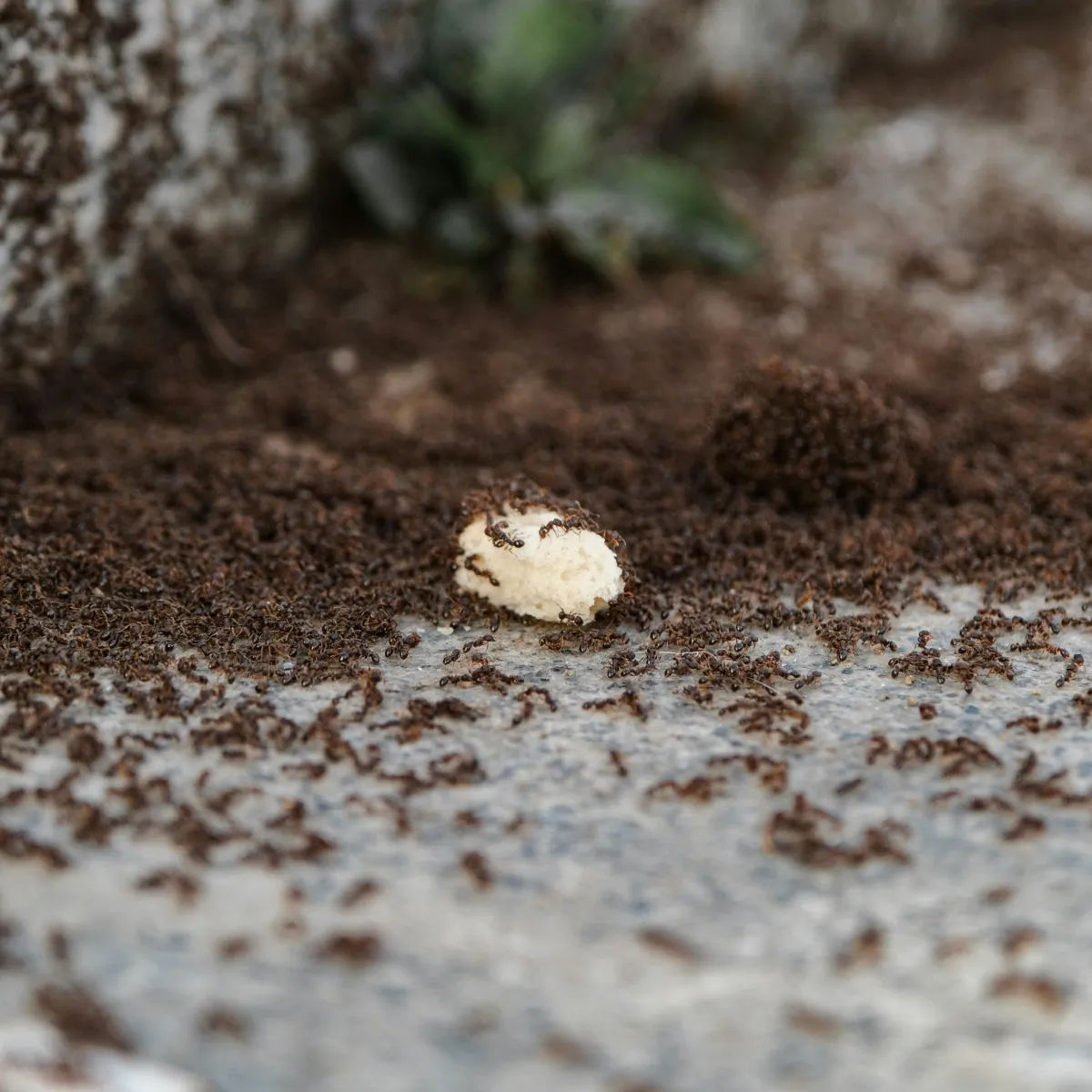
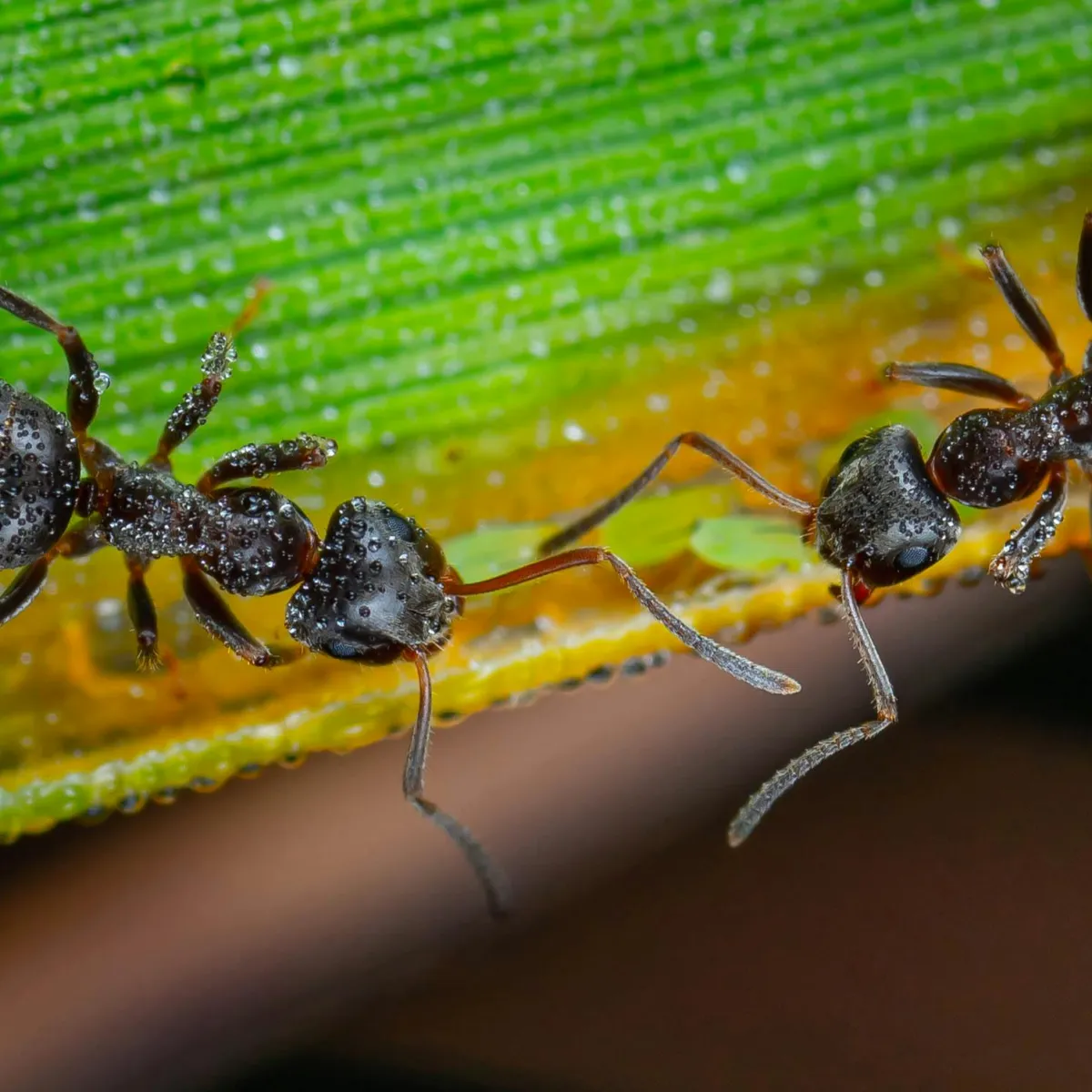
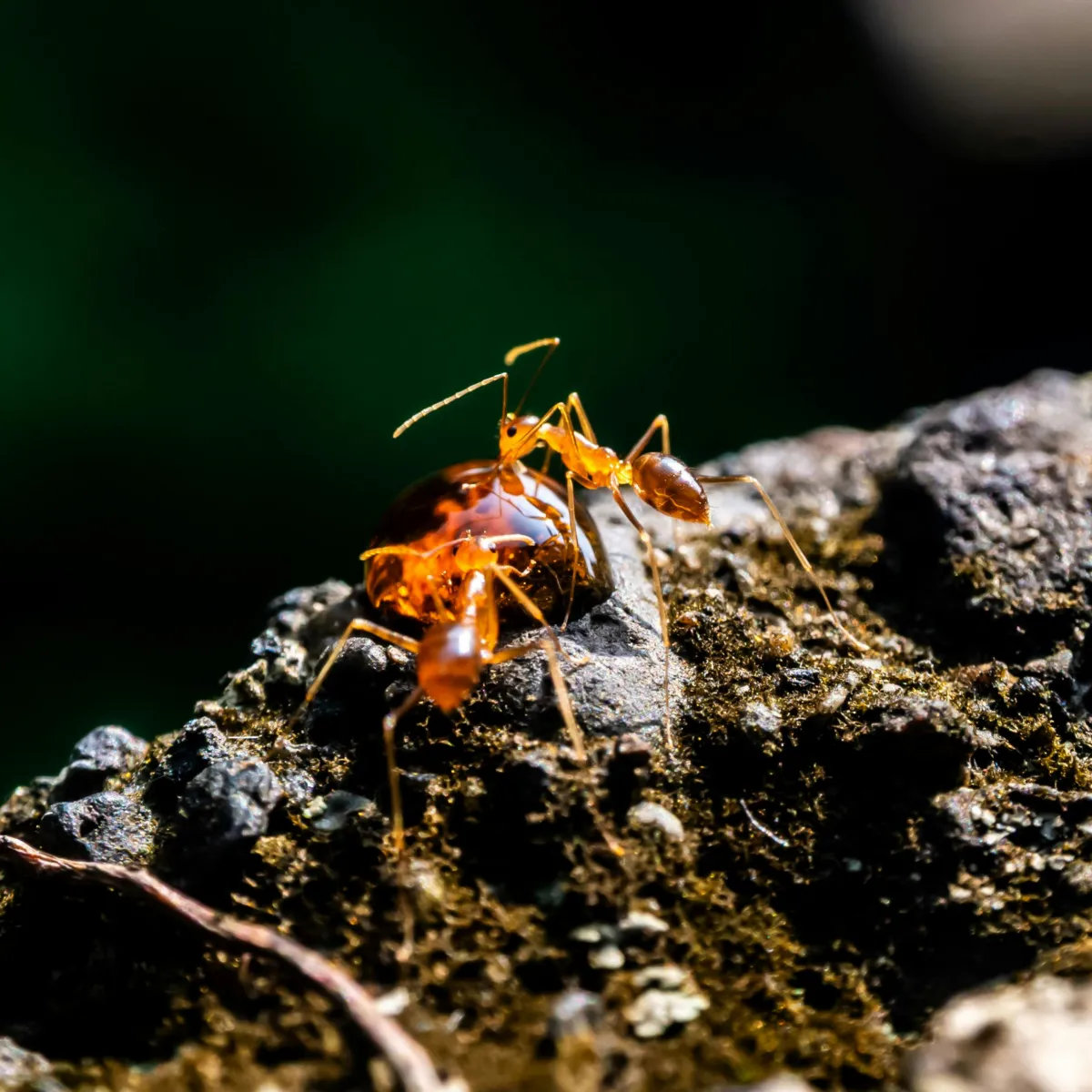
Fire ants are usually reddish to reddish-brown and small, often measuring roughly 1.6 to 5 mm. They may look like ordinary ants at first, but their behavior is one of the biggest differences.

When disturbed, fire ants tend to move quickly and aggressively. Their mounds often look like soft, sandy soil and may not have a clear center opening. In Hudson lawns, they are commonly found in sunny, open areas, along warm pavement edges, in thin turf, or near exposed soil.

If you are unsure whether the ants in your yard are fire ants, a professional inspection can help confirm the activity.

WHY FIRE ANTS ARE TOUGH TO CONTROL

Why Fire Ants Are Difficult to Get Rid Of

Fire ants are challenging because most of the colony is hidden underground. A mound is only the visible part of the problem. Some colonies can be large, and activity may shift when the mound is disturbed, when rain changes soil conditions, or when the ants are actively foraging.

DIY treatments may miss the deeper colony or only affect ants on the surface. Baits can depend on timing and active foraging, while sprays may not reach the areas that matter most. Getting too close to a mound can also increase the risk of stings.

Professional fire ant treatment helps match the control method to the yard, the mound activity, and the conditions on the property.

FIRE ANT TREATMENT OPTIONS

Professional Fire Ant Treatment Options

Fire ant treatment should be based on what is happening in the yard, not guesswork. A professional approach may include one or more treatment methods depending on the situation.

If new mounds keep showing up in different areas, the problem may be spread across more of the yard than it seems.


Treatment options may include:

Mound treatment for visible colonies

Broadcast treatment for wider lawn activity

Bait-based treatment when conditions are appropriate

Mound drench treatment where suitable

Two-step treatment for active mounds and broader pressure

Seasonal lawn pest control for recurring problems

DIY FIRE ANT CONTROL LIMITS

DIY vs. Professional Fire Ant Control

Many homeowners try fire ant products from the store first. Sometimes they see temporary improvement, but the mounds come back. That happens because fire ant colonies are underground and may not be fully reached by surface-level treatment.

DIY baits may be affected by rain, moisture, heat, or poor timing. Spraying the top of a mound may also cause ants to scatter without solving the colony. Professional fire ant control gives the yard a more thorough evaluation and treatment plan.

For Hudson homeowners dealing with repeated mounds, professional service is often the more practical option.

FIRE ANT STING CONCERNS

Are Fire Ants Dangerous?

Fire ants can sting repeatedly when disturbed. Stings may cause burning, red bumps, irritation, or pustules. Some people may experience stronger reactions and should seek medical attention if symptoms are concerning.

Children, pets, and anyone walking barefoot or working in the yard are more likely to come into contact with mounds. It is best to avoid digging into or kicking fire ant mounds, especially if you are unsure how active the colony is.

HOW MOUNDS AFFECT THE LAWN

Can Fire Ants Damage Your Lawn?

Fire ants prefer warm, sunny conditions, which makes Hudson a favorable area for activity during much of the year. Mounds may become more visible after rainfall or irrigation as ants move soil and adjust their underground tunnels.

During very hot or dry stretches, fire ants may change their foraging patterns. After mowing, watering, or storms, new mounds can appear in areas where activity was not obvious before.


WHEN FIRE ANTS ARE MOST ACTIVE

When Are Fire Ants Most Active?

Fire ants prefer warm, sunny conditions, which makes Hudson a favorable area for activity during much of the year. Mounds may become more visible after rainfall or irrigation as ants move soil and adjust their underground tunnels.

During very hot or dry stretches, fire ants may change their foraging patterns. After mowing, watering, or storms, new mounds can appear in areas where activity was not obvious before.
FAMILY AND PET-CONSCIOUS FIRE ANT SERVICE

Is Fire Ant Treatment Safe for Families and Pets?

Fire ant treatments should be applied according to product label directions. Your Green Team can provide re-entry guidance after service so you know when treated areas may be used again.

Before your appointment, it can help to move pet bowls, toys, garden tools, and outdoor items away from active mound areas. After service, avoid disturbing treated mounds until your technician’s guidance has been followed.

WHY HUDSON HOMEOWNERS CHOOSE YOUR GREEN TEAM

Why Homeowners Choose Your Green Team for Fire Ant Control

Your Green Team understands how fire ants affect lawns in Hudson and the surrounding New Port Richey service area. The service is designed for real yard conditions, from sandy soil and irrigation to patios, pet areas, and sunny turf.

Homeowners choose Your Green Team for:

– Fire ant treatment for active mound activity
– Lawn pest control recommendations based on the property
– Family and pet-conscious service guidance
– Targeted treatment for common problem areas
– Clear after-service communication
– Options for recurring fire ant pressure
– Local understanding of Hudson lawn and pest conditions

FIRE ANT CONTROL QUESTIONS

Fire Ant Control FAQs

Request Fire Ant Control in Hudson, FL

Fire ant mounds should not keep you from using your lawn, patio, or pet areas.

Schedule fire ant control in Hudson, FL with Your Green Team for targeted treatment and practical guidance for your yard.