Get your lawn back on track with 50% OFF first application!* 50% OFF First Application!* Call Now

Mounds That Keep Showing Up


Professional Fire Ant Control Services in Tampa, FL

Your Green Team provides professional fire ant control in Plant City, FL to treat active colonies, reduce mound activity, and help keep your lawn easier to use.

Request a Quote

Pick the way that works best for you:

Call Us
Submit Form
Text Us
Get Instant Quote

Call us today

It’s never been easier to have a beautiful lawn this season. Call today to lock in 50% OFF first application!*

689-698-0397

Mon - Thu: 8:00am to 8:00pm CDT
Fri: 8:00am to 7:00pm CDT
Sat: 8:00am to 4:00pm CDT
Sun: off

Get your lawn back on track with 50% OFF first application!*

Text Message Scheduling

Opt into our text messaging platform to begin your program and schedule with us today!

Name(Required)

Fire ants can make a lawn feel irritating fast. One mound shows up, then another a few days later, and before long you are watching where you step instead of enjoying the yard.
Fire Ant Control for Plant City Lawns

A lot of homeowners start with a quick DIY fix. They spray the mound, knock it down, or put out something from the store and hope that takes care of it. Sometimes it seems to help at first, but the relief does not always last.

That is because the mound is only the visible part of the problem. The colony underneath may still be active, and when that happens, the same mound or new ones nearby can keep showing up. In a place like Plant City, where warm weather and rain can both play a role in pest activity, fire ants can be stubborn when they are not treated thoroughly.

Your Green Team takes a more complete approach by inspecting the lawn, checking the level of activity, and choosing treatment based on what is actually happening across the property. Homeowners can request a quote, schedule service, or check availability for fire ant control in Plant City with targeted treatment, clear guidance, and a 100% money-back guarantee.

Why Fire Ant Control Matters?

Fire ants are aggressive and territorial. If their mound gets disturbed, they do not just scatter. They come out fast and may sting more than once.

That can turn an ordinary part of the yard into a spot people start avoiding. Kids, pets, and anyone mowing or walking through the grass are often the first to run into them. Fire ants are more than a nuisance because the visible mound may point to a much larger colony below the surface. Professional treatment helps address the colony instead of only dealing with the mound you can see.

Signs of a Fire Ant Infestation

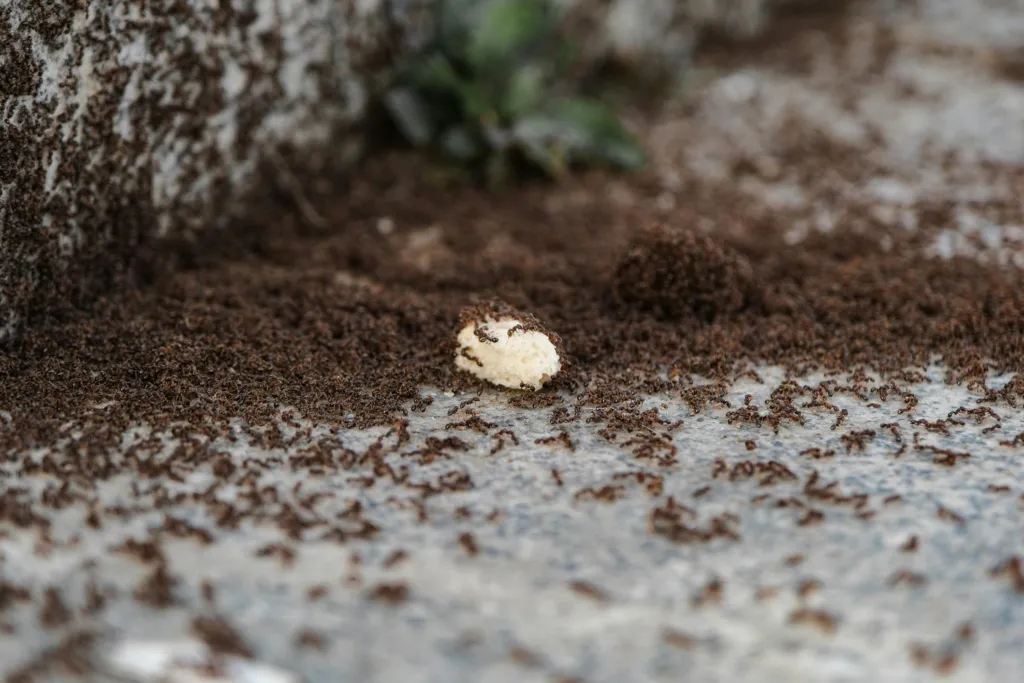
The first sign is often a loose, sandy mound in the lawn. These mounds usually show up in sunny, open areas and may become easier to spot after rainfall.

You may also notice small reddish-brown ants moving quickly around the mound, painful stings after being outside, or aggressive swarming if the area gets disturbed. In some yards, the clearest sign is that new mounds keep appearing in different spots even after earlier ones were knocked down.

What Do Fire Ants Look Like?

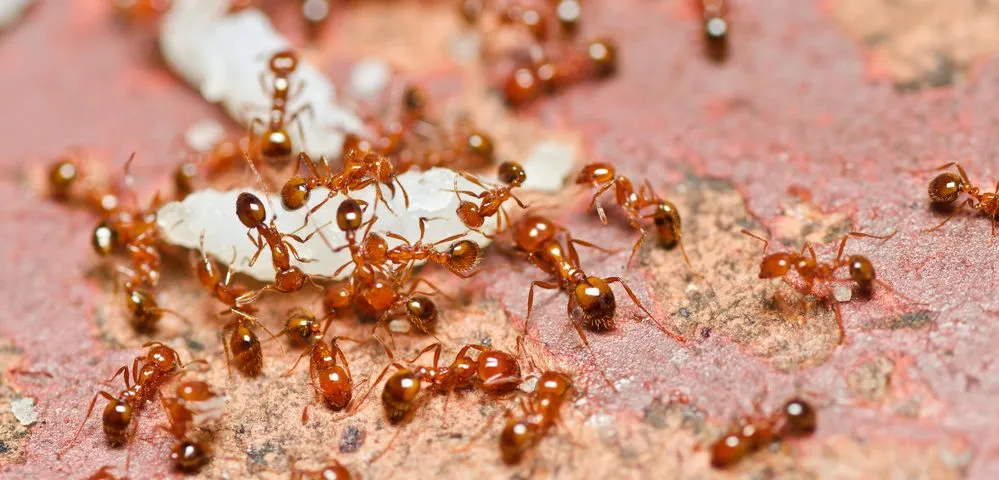
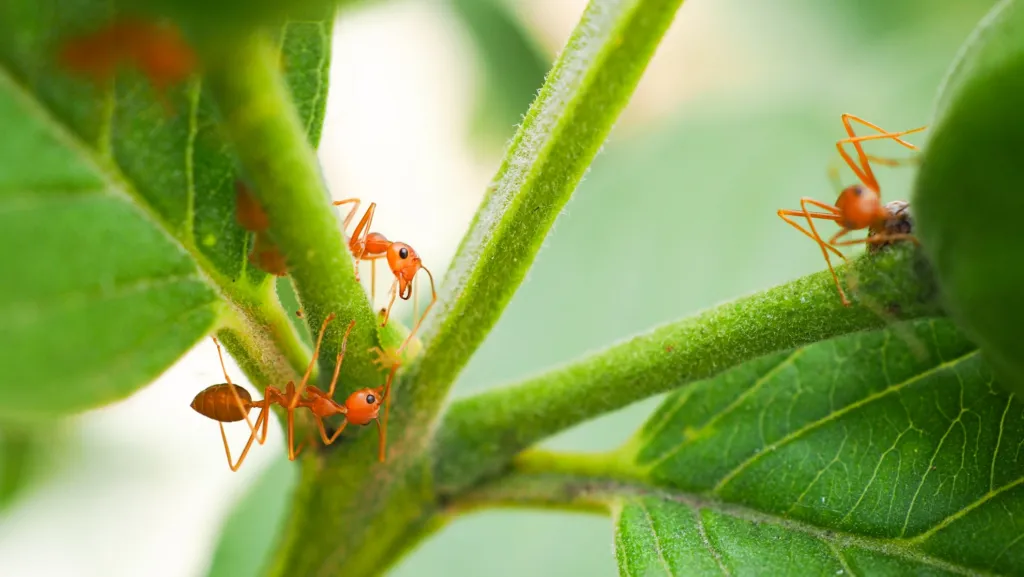
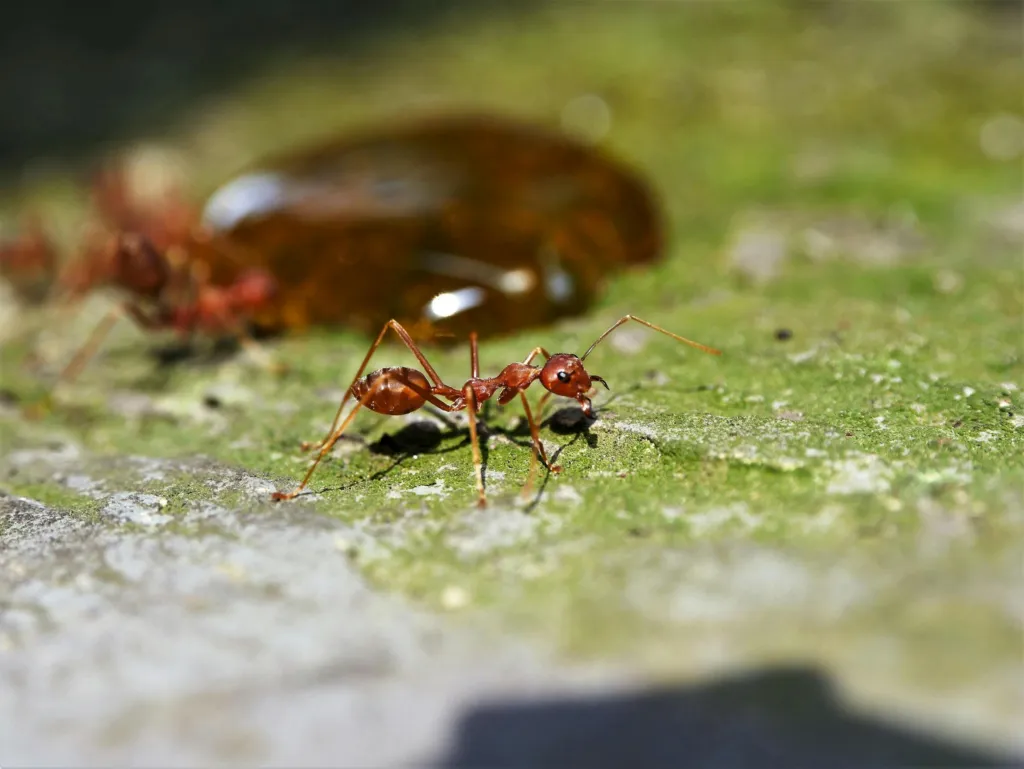
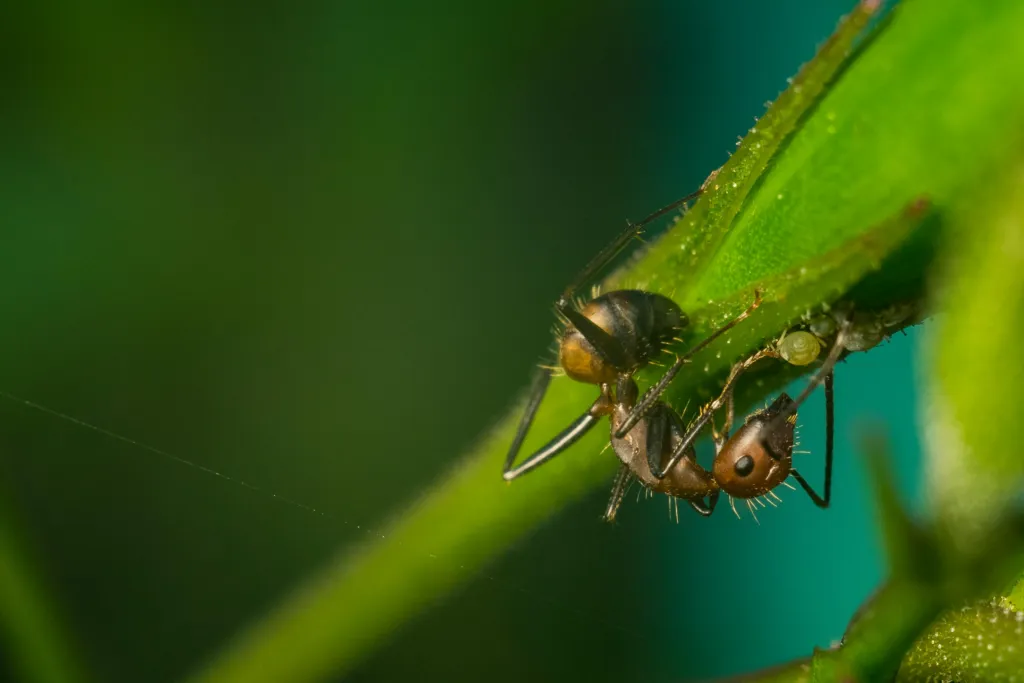
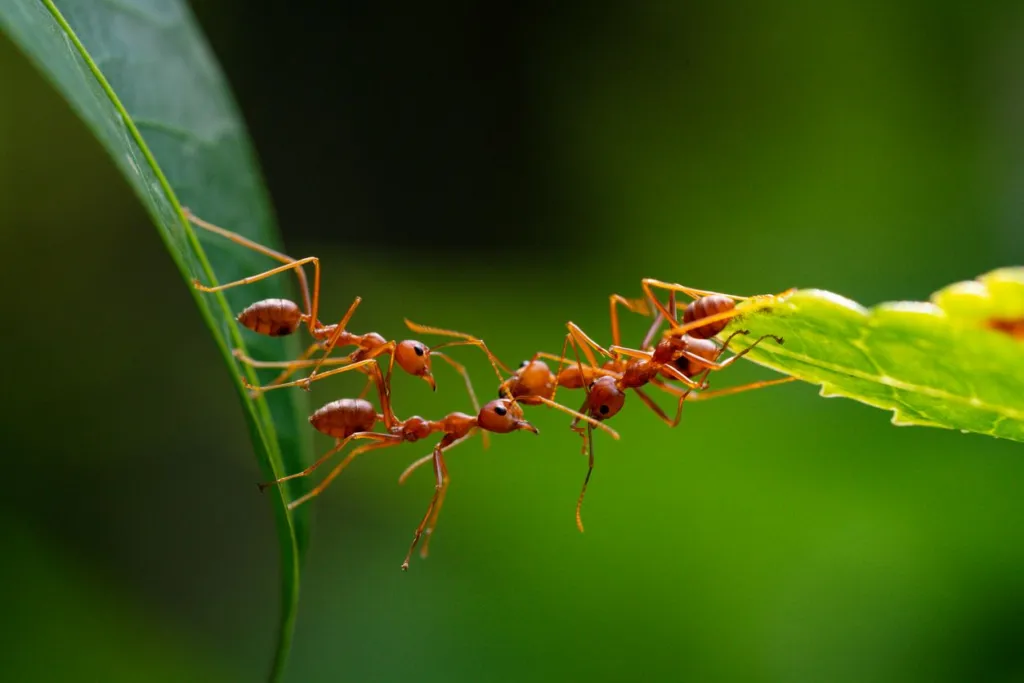
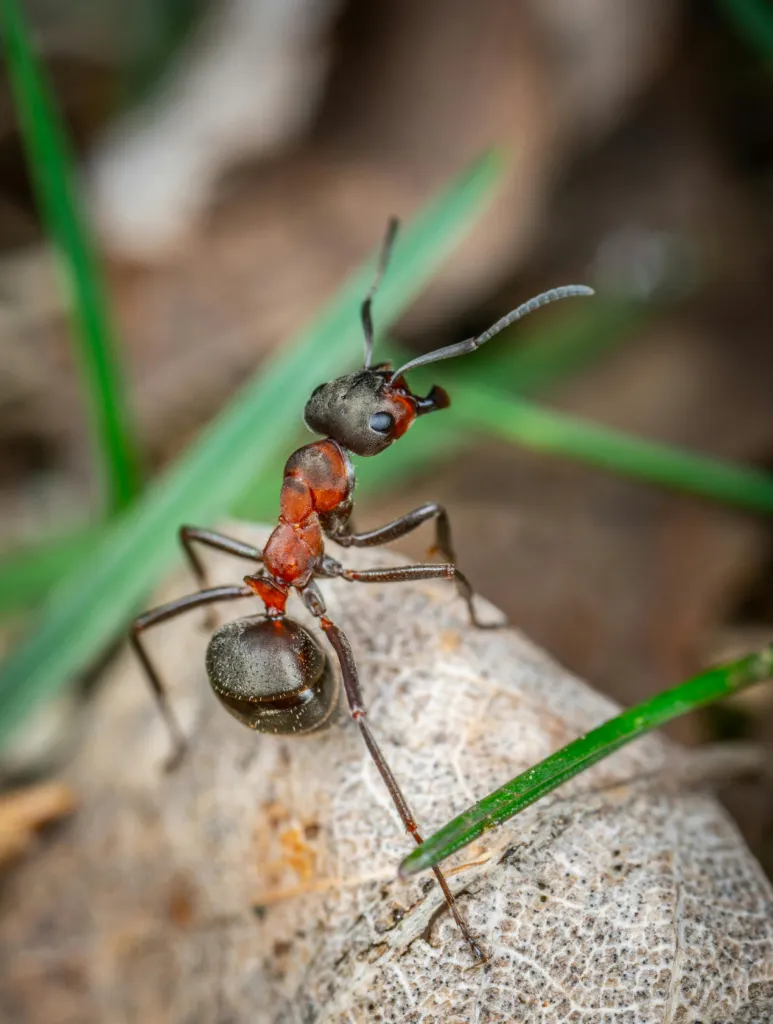
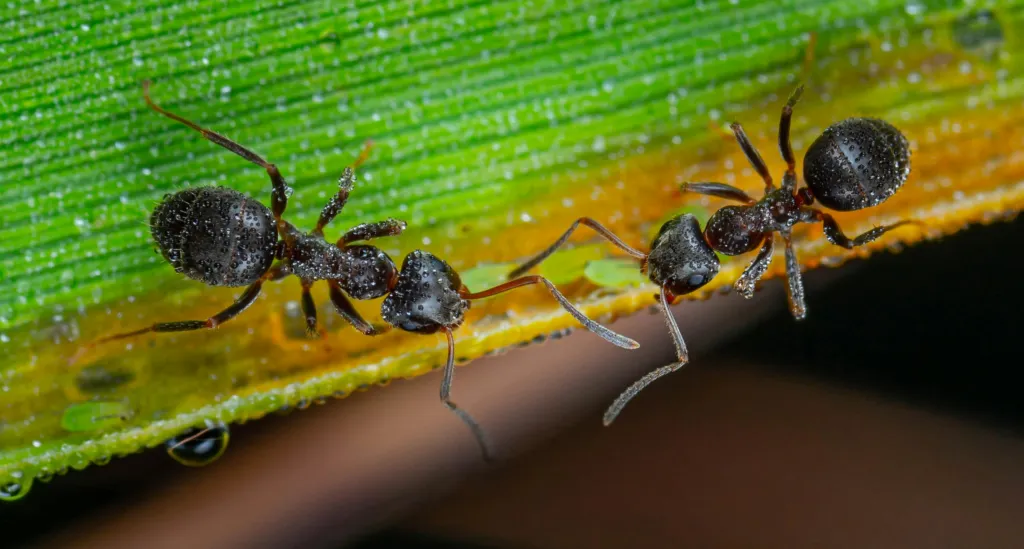
Fire ants are small ants with a reddish or reddish-brown color. They are usually around 1.6 to 5 mm long, so they are not large, but they are easy to notice once a mound is disturbed because they move quickly and in numbers.

They are commonly found in sunny lawn areas, open soil, and other spots where mound building is easy. Their aggressive behavior is often what gives them away more than their size.

Why Fire Ants Are Difficult to Get Rid Of?

Fire ants are hard to get rid of because most of the colony stays underground. What shows up on the surface may only be a small part of the actual infestation.

Some colonies spread farther than they look from above, and some may have more than one queen. Rain, watering, heat, and foraging patterns can also affect how well treatments work. That is why a surface spray may only give short-term relief while the colony stays active below ground. Professional fire ant control helps match the treatment to the infestation instead of relying on guesswork.

How Our Fire Ant Control Service Works?

The first step is inspecting the lawn to see how active and widespread the infestation is. That includes checking mound locations, looking at how much of the yard is affected, and deciding whether the activity seems isolated or more spread out.

From there, treatment is applied where it makes the most sense based on mound activity and the rest of the lawn. The goal is to reduce active colony pressure now and help keep the problem from showing right back up again.

Professional Fire Ant Treatment Options

Not every yard needs the same approach. Some properties need direct mound treatment. Others need broader lawn treatment because fire ants are active in several spots. In some cases, baiting may also be part of the plan.

Treatment may include mound-specific treatment, wider broadcast applications, bait-based products, or a combination of methods depending on the property. Professional treatment is often more complete than DIY because it is selected based on how the infestation is behaving at the time of service.

DIY vs Professional Fire Ant Control

DIY fire ant control can be hit or miss. Weather matters. Watering matters. Timing matters. A product may seem like it should work, but rain, heat, or low foraging activity can affect the results.

A surface spray may also kill only the ants on top while leaving the colony below untouched. Professional service usually works better because the treatment is based on the infestation itself, not just the mound that happens to be easiest to see.

Are Fire Ants Dangerous?

They can be. Fire ants may sting multiple times, and those stings can cause burning pain, red bumps, itching, and pustules. Some people may have stronger reactions, and severe reactions may require medical attention.

Children, pets, and anyone spending time in the lawn are usually the most exposed. That is why active fire ant colonies should be taken seriously, especially in areas people use every day.

Can Fire Ants Damage Your Lawn?

Yes. Fire ant mounds can create rough, uneven areas and make the lawn harder to mow, walk on, or use comfortably. Even if the grass still looks healthy, repeated mound activity can make the yard feel less usable.

Over time, the visible mounds and disturbed soil can also affect the overall appearance of the lawn. Treating fire ants helps with both the safety issue and the condition of the yard itself.
When Are Fire Ants Most Active?

Fire ants are usually easiest to spot in warm weather, especially in sunny parts of the lawn and after rainfall. Tampa conditions can support activity for long stretches of the year, which is one reason homeowners may notice repeated mound activity through the warmer seasons.

During especially hot periods, fire ants may shift their movement to cooler times of day, but the colonies can still remain active.

Is Fire Ant Treatment Safe for Families and Pets?

Fire ant treatments should always be applied according to label directions. Your Green Team says its treatments are safe for families and pets when used correctly, and treated areas should dry before normal use resumes.

Technicians should provide clear re-entry guidance after service so homeowners know when children and pets can safely return to the lawn. Following those instructions is an important part of safe treatment use.

Why Homeowners Choose Your Green Team for Fire Ant Control?

Homeowners choose Your Green Team for fire ant control in Tampa because the company offers local service, transparent pricing, professional treatment recommendations, and a 100% money-back guarantee.

When fire ants keep showing up, most homeowners want more than a temporary fix. They want treatment that is built around what is really happening in the yard and a team that understands pest pressure in Florida lawns.

Fire Ant Control FAQs

Get Fire Ant Control in Tampa, FL

If fire ants are taking over parts of your yard, Your Green Team can help treat the problem before it spreads further. Schedule fire ant control in Tampa, FL to target active mounds, reduce colony activity, and make your lawn easier to use again.