
Discover Pest Management Tips & Tricks for Your Yard
The relentless whining noise and those red, itchy bumps showing up on your arms can completely ruin what could’ve been a perfect night outdoors. Here’s the critical thing to grasp: various mosquito species present wildly different threat levels.
Some types pose actual health risks. Others? They’re basically harmless and won’t do anything other than annoy you. Let the mosquito control experts at Your Green Team walk you through differentiating between mosquito varieties and recognizing which ones represent the most serious dangers.
How Many Mosquitoes Exist?
Around the world, over 3,000 different mosquito varieties exist. About 200 of these species have established themselves across the United States, with Florida hosting an even smaller subset. The good news? Only a tiny percentage can actually spread diseases to humans.
Professionals divide these insects into four main categories: Culex, Aedes, Anopheles, and Culiseta. These groups show vastly different characteristics. They’re active during different times, pursue different victims, choose different breeding locations, and occupy different geographical areas.
What’s fascinating is that many mosquitoes couldn’t care less about biting people. They’d rather target birds or other animals. Some don’t even bite!
-
Culex Mosquitoes
Members of this category are predominantly active from dusk through dawn. These are the household pests we run into most often, usually creating breeding sites in still or contaminated water sources like sewer systems, clogged gutters, or forgotten pools. Across the United States, Culex mosquitoes are recognized as the main carriers of West Nile virus to humans.
Southern House Mosquito (Culex quinquefasciatus)
- Known for transmitting West Nile virus, St. Louis encephalitis, and canine heartworm
- Favors breeding in nutrient-rich stagnant water
- Found throughout Southern U.S. areas
Western Encephalitis Mosquito (Culex tarsalis)
- Can reproduce at elevations up to 10,000 feet, posing problems even in mountainous areas
- Lives in Midwestern and Western states
- Delivers a significantly more painful bite than similar species
Northern House Mosquito (Culex pipiens)
- Hibernates both inside buildings (basement spaces, crawl areas, attic sections) and outside (in animal burrows, underground passages, decaying wood)
- Thrives in urban and suburban locations, particularly in warm, tropical-style climates
- Takes advantage of man-made structures, laying enormous quantities of eggs in sewage systems, retention basins, storm-water catchments, ground pools, and wastewater holders
-
Anopheles Mosquitoes
Worldwide, roughly 450 species make up this group of night-feeding insects. They hold a unique position as the sole mosquito category that can transmit malaria to people.
Common Malaria Mosquito (Anopheles quadrimaculatus)
- Historically, this variety was responsible for malaria spreading throughout the U.S.
- Creates breeding sites in freshwater areas with vegetation (ponds, swamps, marshlands, slow-flowing waterways)
- Located primarily in Eastern, Midwestern, and Southeastern regions
-
Culiseta Mosquitoes
Florida property owners shouldn’t lose sleep over this group since they’re found mainly in colder regions. Plus, these mosquitoes pose very low health threats to people.
Defining Features of Culiseta Mosquitoes
- Found primarily in Northern U.S. areas, high-altitude locations, and across Canada
- Prefer cooler temperatures and usually appear in early spring or fall when other species are less active
- Breed in snowmelt pools, woodland water bodies, and cold standing water
-
Aedes Mosquitoes
These insects have become exceptionally well-suited for cohabiting with humans. Breaking from standard mosquito behavior, they’re aggressive daytime feeders.
When your afternoon yard work gets derailed (maybe while you’re weeding or grilling burgers), Aedes mosquitoes are likely the culprits. What intensifies the issue is their strong preference for feeding on humans rather than animals.
Asian Tiger Mosquito (Aedes albopictus)
- Persistent, aggressive daytime feeding behavior
- Not originally from North America but can withstand cooler weather, allowing spread across Southeast, Midwest, Northeast, and Pacific areas
- Identified by characteristic black-and-white markings
- Creates breeding areas in old tires, assorted containers, and shady spots
Eastern Saltmarsh Mosquito (Aedes sollicitans)
- Extremely aggressive biter during both day and night
- Typically doesn’t transmit serious diseases
- Breeds in salt marsh habitats and coastal wetlands along Atlantic and Gulf shores
- Can fly up to 40 miles from where they hatched
Yellow Fever Mosquito (Aedes aegypti)
- Found mainly in Southeast and Southwest U.S., Mid-Atlantic areas, and parts of California
- Infamous for spreading Zika, Dengue, Chikungunya, and Yellow Fever
- Reproduces in artificial water holders and city environments (old tires, flower containers, forgotten buckets, birdbaths, etc.)
- Thrives in warm, humid weather
Differences Between Mosquito Species
Mistaking harmless bugs like crane flies for mosquitoes is surprisingly common. Experts use a particular method called the “Three P’s” for accurate identification.
Three Simple Ways to Identify Common Mosquitoes
Posture. This offers one of the easiest identification techniques. When Anopheles mosquitoes land and rest, they hold their bodies in a straight alignment (abdomen angled up). In contrast, Aedes and Culex mosquitoes form a bent “V” shape while resting.
Palps. These sensing organs are located near the mosquito’s mouthparts. In Anopheles mosquitoes, palps are long and obvious, roughly the same length as the proboscis. Aedes and Culex mosquitoes have much shorter palps.
Pattern. Check out the bug’s coloring. Black-and-white stripes, especially on the legs, usually signal Aedes species. More uniform colors, like brown or grayish shades, likely mean you’re looking at a Culex or Anopheles mosquito.
When Should You Be Concerned About Mosquitoes?
Seeing them regularly and getting bitten are clear signs you need professional pest control help. Persistent clouds of them can quickly destroy any outdoor gathering. However, several risk factors can escalate an inconvenience into a real problem demanding proactive measures:
- Climate Conditions: Warm, moist weather prolongs breeding seasons and accelerates mosquito population growth.
- Recent Trips: Extra vigilance is warranted when family members have traveled to regions with active mosquito-borne disease spread.
- Health Warnings: Stay current on local health agency alerts about West Nile virus or similar threats.
- Standing Water: Any pooled water on your land directly contributes to growing mosquito numbers.
Which Mosquito Types Go After Humans?
Contrary to what most people think, only females bite. Males are totally harmless, living entirely on flower nectar and plant juices. Females, though, require a blood meal to get the proteins needed for producing eggs.
These female hunters go after warm-blooded creatures, mainly birds and mammals, though some specialized types feed on reptiles or amphibians. They start hunting by detecting carbon dioxide exhaled by potential victims from impressive distances. Tracking this signal upwind, they then use sight, slight humidity changes, and specific body odors to zero in on their target.
Most types stick to certain feeding times, usually around dawn or dusk, though they may also attack during warm, overcast daytime periods.
Common Diseases Spread by Mosquitoes
Dengue: Another Aedes-carried disease, with occasional outbreaks in southern states
Chikungunya: Less common but still concerning, also transmitted by Aedes mosquitoes
Yellow Fever: Mainly a travel-related worry, though Aedes aegypti populations are present in the U.S.
West Nile Virus: The most widespread mosquito-borne illness in America, primarily transmitted by Culex types
Zika: Regional outbreaks, mainly transmitted by Aedes aegypti and Aedes albopictus mosquitoes
Malaria: Rare in the U.S. but still possible through local Anopheles mosquito spread
Top Strategies for Managing Mosquitoes
Successful mosquito prevention and control requires several working-together approaches.
Use Targeted Chemical Treatments
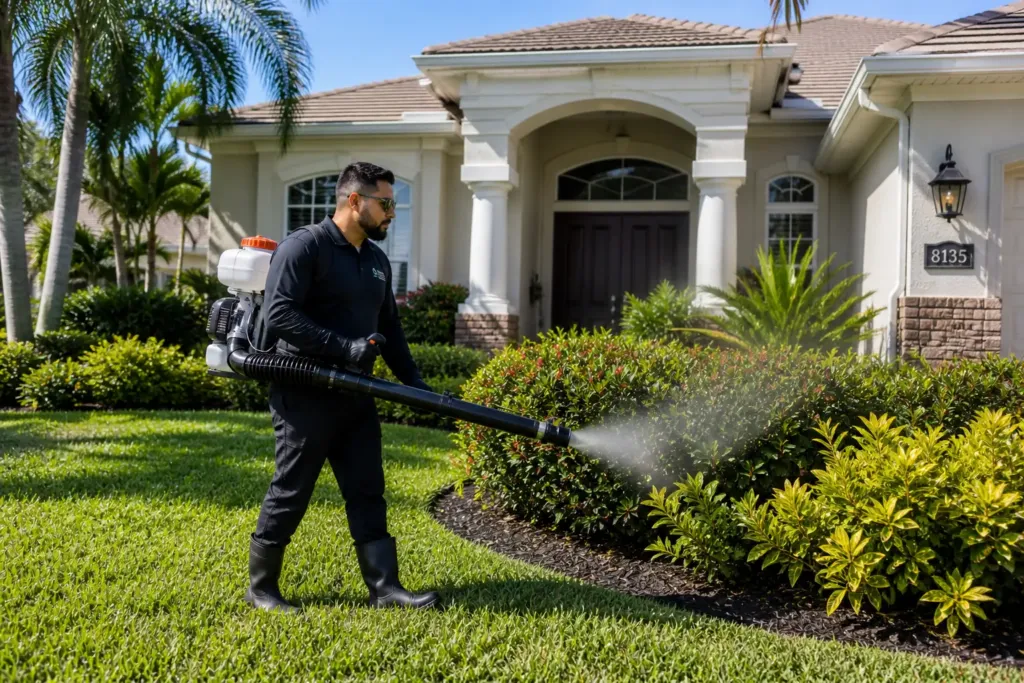
When habitat changes aren’t enough, precise use of larvicides or adulticides may be required. For best safety and results, trained professionals should apply these products to ensure correct methods and coverage.
Know Which Species You’re Fighting
Target your efforts by understanding local varieties. Culex types often breed in organically rich water in storm drains or neglected pools. Aedes mosquitoes typically use artificial containers with clean water, while Anopheles prefer freshwater areas with plant life.
Destroy Breeding Sites
Your most powerful defense is removing places where mosquitoes lay eggs. Reliably dump out any collected water at least once per week. Watch clogged gutters, plant dishes, kids’ toys, and even small items like bottle caps, which can hold enough water for larvae to grow.
Use Personal Protection
Lower your risk by wearing long, baggy clothing and applying EPA-approved insect repellents. Timing outdoor fun to avoid dawn and dusk can also significantly cut down on bites.
Be Aware of Seasonal Cycles
Mosquito activity peaks during hot summer weather in most areas but can persist all year in southern climates. Time your prevention work with these busy periods.
Get Rid of the Mosquitoes In Your Yard!
The best mosquito management programs use methods tailored to specific species. They incorporate three key strategies: applying larvicides to water, actively reducing adult numbers, and changing environments to eliminate breeding areas.
Modern, advanced control methods target the breeding cycle itself, stopping new generations from emerging and creating long-lasting mosquito population drops.
Ready to protect your home, lawn, or business? Reach out to Your Green Team today! We proudly serve the greater Tampa area, ensuring high-quality lawn care and pest control services for these communities:
Blog Contributor: Rob Karr
Rob Karr serves as the New Port Richey and Hudson Branch Manager for Your Green Team, with 22 years of experience. His professional perspective is shaped by customer interaction, team communication, employee safety, and long-term branch leadership. His experience gives him a practical understanding of both customer service and day-to-day lawn care operations.